
A Beginner’s Guide to Smart Home Devices: Making Your Home Smarter, One Device at a Time
The Smart Home Revolution
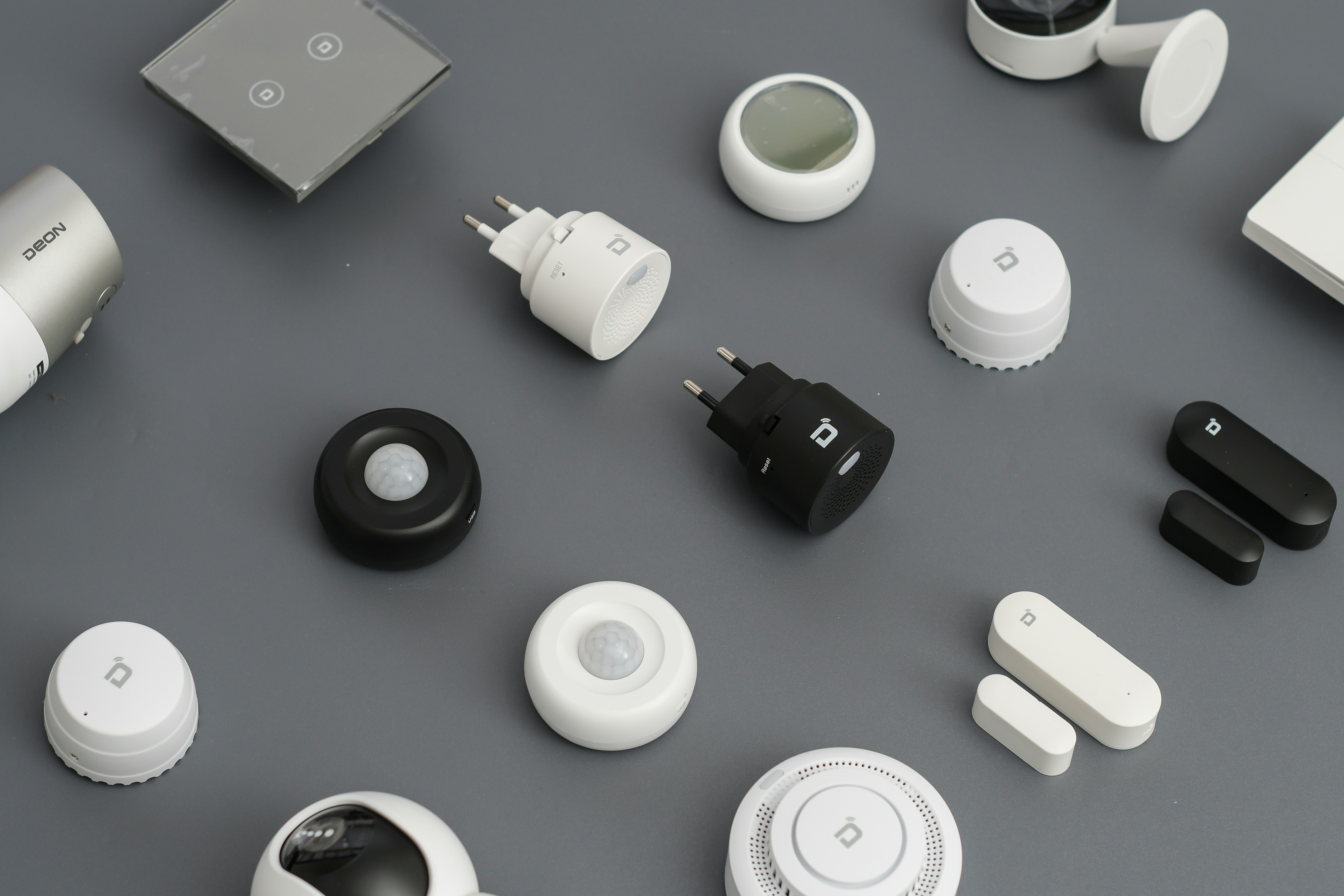
The advent of smart home devices has ushered in a revolutionary change in how we interact with our living spaces. This transformation is largely driven by innovations in technology that have made homes increasingly automated and interconnected. At the core of this revolution is the concept of enhancing daily living through devices that respond to our needs, ultimately leading to improved convenience, security, and energy efficiency.
Smart home technology encompasses a variety of devices, ranging from smart speakers and thermostats to integrated security systems and smart appliances. These devices communicate through a centralized platform, often leveraging Wi-Fi and Bluetooth connectivity, allowing users to control them remotely via smartphones or voice commands. This functionality not only streamlines household management but also lends a hands-free experience that many users find appealing.
One of the standout benefits of smart home devices is the enhancement of security. With smart cameras and alarm systems, homeowners can monitor their properties in real-time, receiving alerts about suspicious activity even when they are away. Moreover, smart locks provide greater accessibility, allowing users to grant remote access to trusted individuals, such as guests or service providers, without the need for physical keys.
Additionally, energy savings are a significant advantage of embracing smart technology. Smart thermostats can learn user preferences over time and automatically adjust temperatures for optimal comfort and efficiency. This capability not only reduces energy consumption but can significantly decrease utility costs as well. As people increasingly seek out solutions that contribute to a sustainable lifestyle, smart home devices align perfectly with these goals.
In closing, the smart home revolution presents an exciting opportunity for innovation in our everyday lives. By integrating smart devices, homeowners can enjoy not only modern convenience but also enhanced safety and efficiency, making the journey towards a smarter home both practical and enriching.

 amazon.com






What Are Smart Home Devices?
Smart home devices refer to a variety of hardware items that can be connected to a network, allowing them to communicate with each other and be controlled remotely. These devices operate within an ecosystem that enhances home automation, improving convenience, security, and energy efficiency. One of the most common types of smart home devices is the smart speaker, which serves as a hub for controlling other devices, playing music, and providing information via voice commands. Examples include popular models such as Amazon Echo and Google Nest.
Another essential category includes smart lighting systems, which give users the ability to adjust the brightness and color of lights remotely or set schedules for when lights turn on or off. Brands like Philips Hue and LIFX offer customizable settings that can significantly enhance the atmosphere of a home while also contributing to energy savings.
Smart thermostats are designed to optimize home heating and cooling, learning user preferences over time to manage energy consumption effectively. Devices like the Nest Learning Thermostat provide analytics that allows homeowners to understand their energy usage patterns for better decision-making.
Moreover, smart security systems encompass a range of devices, including cameras, doorbell cameras, and alarm systems, that can be monitored and controlled via a smartphone app. These systems enhance home security by providing real-time footage and alerts, ensuring homeowners have peace of mind.
Overall, smart home devices are akin to an orchestra, where various instruments—whether speakers, lights, or security systems—interact harmoniously. They work together to create a seamless experience that can transform daily living, making households not only smarter but also more efficient and secure. As technology continues to advance, the integration of these devices is expected to expand, fostering even greater connectivity and user engagement.
Key Benefits of Smart Home Devices for Beginners
As technology advances, smart home devices have become increasingly accessible for homeowners, offering numerous advantages that can enhance day-to-day living. One of the primary benefits is increased convenience. Imagine being able to control your home’s lighting, heating, and security systems from your smartphone while you’re out grocery shopping. Smart home technology enables users to set schedules and receive alerts, ensuring that everyday tasks become effortless and manageable, thus liberating valuable time each day.
Another significant advantage is enhanced security. With smart doorbells, cameras, and alarm systems, homeowners can monitor their property in real-time, no matter where they are. For example, if a package is delivered while you’re at work, a smart camera allows you to check if the delivery was safe. Additionally, many systems include features such as motion detection and automatic alerts, enabling homeowners to respond quickly to potential security threats. This peace of mind is invaluable, especially for those who travel frequently or live in areas where crime may be a concern.
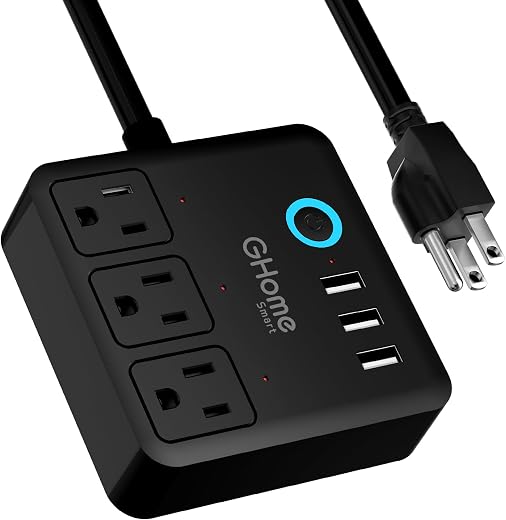
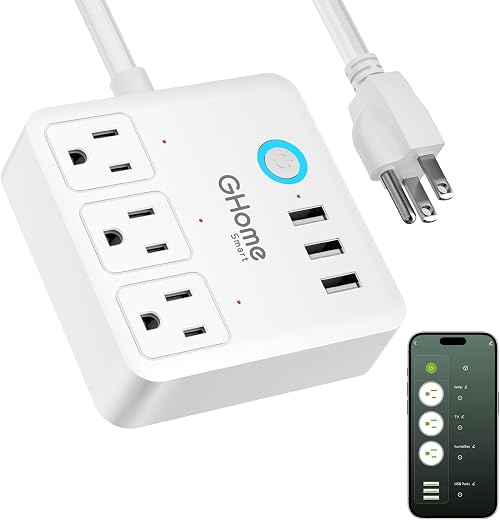
Energy savings also play a crucial role in the appeal of smart home devices. By using intelligent thermostats and smart plugs, homeowners can optimize their energy consumption. For instance, if you’re consistently away from home during the day, a smart thermostat can adjust the temperature while you are gone, reducing unnecessary heating or cooling. This leads to lower energy bills over time. Furthermore, smart plugs enable users to control when their devices turn on and off, ensuring that electronics aren’t consuming power when not in use.
Together, these benefits create a compelling case for beginners to dive into the world of smart home technology. By enhancing convenience, bolstering security, and promoting energy efficiency, smart home devices provide a pathway to a more connected, comfortable lifestyle.
Choosing the Right Smart Home Devices
When venturing into the world of smart home devices, the first step is to assess your specific needs and preferences. Every household is different, and understanding what you require can greatly influence your selections. Start by identifying the primary functions you want to enhance within your home, such as improved security, energy efficiency, or convenience. This will help narrow down your options and make the selection process more manageable.
Another significant factor to consider is device compatibility. Many smart home devices are designed to work within specific ecosystems, such as Amazon Alexa, Google Home, or Apple HomeKit. Choosing devices within the same ecosystem can simplify integration and ensure they communicate effectively with one another. Before making a purchase, verify that the devices you are considering are compatible with your chosen ecosystem to avoid complications in setup and functionality.
User-friendliness is also crucial, especially for beginners. Look for devices that offer intuitive interfaces and straightforward installation processes. Some manufacturers provide robust customer support, instructional guides, and mobile applications, which can greatly enhance the user experience. Opting for smart devices that require minimal technical expertise can help avoid frustration and allow you to enjoy the benefits more quickly.
Lastly, it is essential to be wary of the common pitfalls that newcomers often encounter. Many people tend to overcomplicate their smart home setups by purchasing numerous devices that may not all be necessary or that do not work well together. Focus on building a coherent system with essential devices first, then gradually expand your setup as you gain confidence and understanding of your smart home ecosystem.
Setting Up Your Smart Home Devices: A Step-by-Step Guide
Embarking on the journey of creating a smart home can be both exciting and daunting, especially for beginners. The initial setup of smart home devices requires patience, as it may resemble assembling a piece of furniture from a well-known brand. However, with clear instructions and some troubleshooting advice, this process can become seamless and rewarding.
To start, it’s essential to choose a central hub if you have multiple devices from different manufacturers. Common options include Amazon Alexa, Google Assistant, and Apple HomeKit. This hub acts as the brain of your smart home, enabling various devices to communicate effectively. Once the hub is set up, ensure it is connected to your home Wi-Fi network.
Next, carefully unbox each device you plan to set up. Begin with one device at a time, as this will streamline the process. Most devices will require a power source, so ensure they are plugged in before proceeding. After powering up a smart device, download the corresponding app on your smartphone or tablet. Register for an account if prompted, as this will often be necessary for managing device settings.
Follow the app’s instructions to add your device, typically done through a ‘Discover Devices’ option. Some devices may need you to press a pairing button. If you encounter any issues, consult the troubleshooting section of the user manual or app support. A brief restart of the device can often resolve connectivity problems.
As you complete the setup for each device, take the time to customize settings according to your preferences. Experimenting with features can enhance functionality, making your smart home experience more enjoyable. Lastly, don’t hesitate to return to helpful resources and community forums if challenges arise. Trust that you will soon find the blend of leisure and control that a smart home offers, and revel in the convenience of your new tech-driven lifestyle.
Integrating Smart Home Devices for Maximum Efficiency
Integrating smart home devices effectively can transform a standard living space into a highly efficient and seamless environment. To achieve maximum efficiency, one must consider how various devices interact with each other and how they can be orchestrated to automate everyday tasks. This holistic approach is akin to forming a well-organized team where each member has a specific role that contributes to the overall objective of enhancing comfort and convenience in the home.
A crucial step in this integration process is establishing a centralized control system, typically through a smart home hub. Devices like smart thermostats, lights, cameras, and speakers can all be connected to this hub, allowing users to manage them from a single interface. Many hubs support voice commands via virtual assistants, which adds another layer of convenience. For example, saying “good morning” could trigger lights to gradually brighten, the coffee maker to start brewing, and the thermostat to adjust to a comfortable temperature, all thanks to integrated automation.
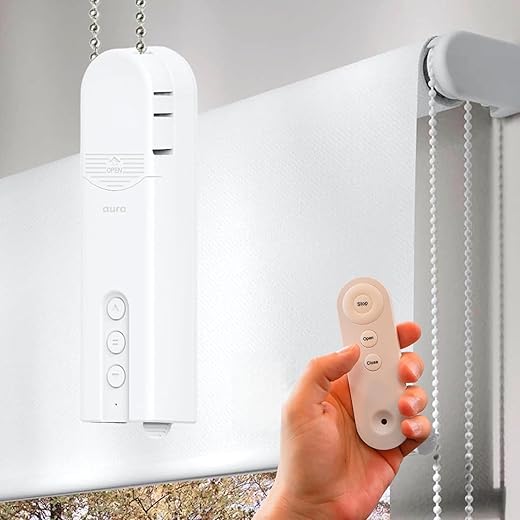
Another aspect of integration involves creating routines that reflect daily patterns. Establishing routines can simplify interactions with multiple devices. For instance, a “movie night” routine could dim smart lights, lower the shades, and start the television with a single command. By customizing these routines based on personal preferences, homeowners can ensure that their smart devices work together harmoniously, significantly enhancing the living experience.
Moreover, advanced programming options allow for the integration of sensors that can monitor home conditions. Motion sensors can trigger lights to turn on when someone enters a room, or smart thermostats can adjust based on occupancy. This type of proactive response not only conserves energy but also elevates the convenience level within the house.
In conclusion, integrating smart home devices effectively fosters a living environment that anticipates needs, thus culminating in a more organized and efficient household. The synergy between devices, driven by automation and routine setups, leads to a smart home that is both responsive and intelligent.
Maintaining Your Smart Home: Security Tips
In today’s increasingly connected world, ensuring the security of your smart home devices is paramount. Just as you would lock your front door every night, it is essential to adopt robust digital security measures to protect your home’s smart ecosystem. After all, a digital fortress offers peace of mind, just like a good lock keeps intruders at bay.
One vital practice in maintaining cybersecurity is to regularly update the software of your smart devices. Manufacturers frequently release updates that patch vulnerabilities and enhance performance. Imagine ignoring the need to lock your front door or replace worn-out locks; the same principle applies to your smart devices. By neglecting updates, you’re essentially leaving the door wide open, inviting unwanted guests into your digital space.
Additionally, employing strong and unique passwords for each of your smart devices is crucial. Utilizing a password that resembles something like “P@ssword123” is akin to using a flimsy lock. Instead, consider using passphrases that combine letters, numbers, and symbols. This practice creates a potent barrier against unauthorized access, much like a robust deadbolt. Remember, every device in your home should have its own password. Reusing passwords across multiple devices is like giving every intruder an easy key to your home.
Enabling two-factor authentication (2FA) is another effective strategy to bolster your smart home’s security. This added layer ensures that even if a malicious actor acquires your password, gaining access remains challenging. If passwords are the keys to your home, think of 2FA as a security guard verifying the identity of anyone trying to enter. It helps to ensure that the rightful owner remains in control of their smart home devices.
Future of Smart Home Technology
The future of smart home technology promises an exciting evolution in how we interact with our living spaces. As advancements in artificial intelligence (AI), voice recognition, and sustainable practices continue to emerge, homeowners can expect smarter, more intuitive devices that seamlessly integrate into daily life. AI is set to enhance home automation by learning user habits, preferences, and routines, which will allow devices to anticipate needs and respond proactively.
A significant development to watch is the proliferation of voice-activated systems. As natural language processing improves, we can expect devices to understand and execute complex commands with increased accuracy. This could transform ordinary tasks, making it easier for individuals to control various aspects of their home environment, from lighting and climate to security and entertainment systems, simply by speaking.
Moreover, sustainability is becoming a key focus in the design and functionality of smart home devices. Future innovations will likely prioritize energy efficiency, allowing homeowners to monitor and minimize their energy consumption more effectively. Smart appliances that optimize power usage not only contribute to reducing carbon footprints, but they also promise cost savings through lower utility bills.
Another anticipated trend is the increased connectivity of smart devices through the Internet of Things (IoT). As more devices become interconnected, homeowners will enjoy a more cohesive experience and improved control over their environment. This expanded network will facilitate automation scenarios that can extend beyond isolated devices, creating a central hub for managing all aspects of the home.
In summary, as technological advancements unfold, the future of smart home devices looks brighter than ever. Beginners venturing into the world of smart home technology have much to look forward to, making it essential to stay informed about ongoing trends in AI, voice recognition, and sustainability to ensure their homes are equipped for the future.
Conclusion: Embrace the Smart Home Lifestyle
As the world continues to evolve technologically, the integration of smart home devices is becoming an increasingly important aspect of modern living. This guide has explored various categories of smart home products—from smart speakers and security systems to energy-efficient devices and home automation systems. Each of these devices plays a significant role in enhancing convenience, security, and energy management within our living spaces.
By adopting smart technology, homeowners can significantly improve their quality of life. For instance, smart thermostats can adjust temperatures based on user preferences, thereby saving energy and reducing utility bills. Similarly, smart lighting systems allow for customizable ambiance through remote control or automation, making life simpler and more comfortable.
Furthermore, the enhanced security features offered by smart home devices can provide peace of mind, allowing users to monitor their homes remotely. From doorbell cameras to motion-sensor alarms, these systems keep residential areas secure while keeping homeowners connected, regardless of their physical location.
As you consider taking the plunge into the world of smart home technology, remember that the journey can start small. Investing in a few devices that meet your specific needs is an excellent way to ease into the smart home lifestyle. Over time, as you become comfortable with these technologies, you may find yourself exploring more advanced systems and products.
In conclusion, embarking on a smart home journey is both a practical and enriching endeavor. By starting with the devices that resonate most with you, you can create a more efficient, secure, and enjoyable living environment. So, begin your exploration today and embrace the many benefits that smart home devices bring to your everyday life.