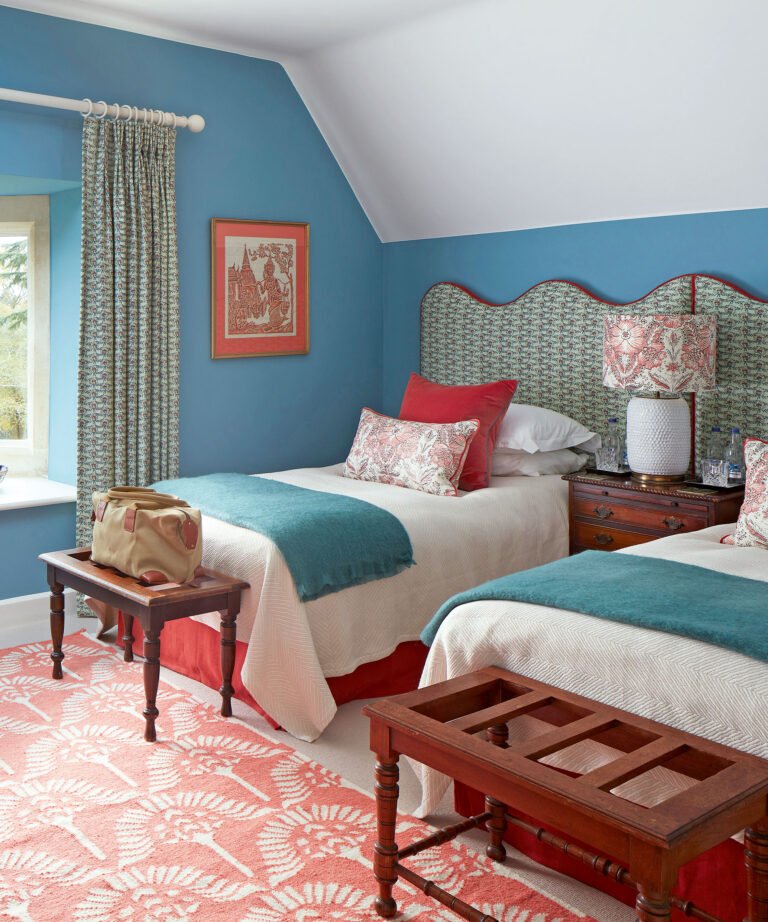
Home Decor Ideas: Transform Your Space with Style and Elegance 2026
🎁 Unlock The Secret Tech Deals & Price Drop Tracker
Never overpay on gear. Get instant notifications for unadvertised flash discounts.

Introduction to Anthropologie’s Brand Voice
Anthropologie’s brand voice serves as a vital conduit between the company and its customers, embodying values that resonate deeply within the home décor market. This brand voice is an integral part of the identity of Anthropologie, blending a confident tone with expert advice, allowing customers to feel both informed and engaged. By curating a sense of familiarity, Anthropologie ensures that consumers experience interactions reminiscent of conversations with a knowledgeable friend, fostering a connection that transcends mere transactions.

In the realm of home décor, where personal aesthetics are paramount, having a distinct brand voice is essential for cultivating customer loyalty and enhancing overall engagement. The home is often seen as a reflection of individual style, making it crucial for a brand to communicate with warmth and authenticity. Anthropologie’s voice is carefully crafted to guide consumers through their decorating journeys, offering insights and inspiration without overwhelming them. This approach not only encourages customers to explore their creativity but also positions Anthropologie as a trustworthy source of inspiration.
Moreover, the importance of a robust brand voice cannot be overstated, especially in today’s competitive landscape. It sets Anthropologie apart from other retailers, enabling the brand to articulate its personality in a way that resonates with its target audience. By maintaining an approachable yet authoritative tone, Anthropologie invites consumers into its world, making the process of selecting home décor an engaging experience rather than a daunting task. Establishing this distinct voice not only enhances customer satisfaction but also reinforces brand recognition and loyalty.
[hostinger-affiliate-table id=”152″]
Understanding the Audience: Who Are We Talking To?
Anthropologie’s home brand appeals to a distinct audience characterized by both demographic and psychographic traits. Typically, the customers are women aged between 25 to 45, embodying a blend of young professionals and established homemakers. This segment often values personalized decor and eclectic aesthetics that reflect their identity and lifestyle. They are not merely looking for functional items; instead, they yearn for pieces that tell a story or evoke a sense of nostalgia, strongly connecting to their lives.
Moreover, the psychographic profile reveals that these individuals often prioritize creativity, sustainability, and quality in their purchasing decisions. They seek to create spaces that resonate with their personality, embracing a sense of belonging in their homes. This emotional connection to their living spaces is profound; for them, home is a sanctuary of self-expression. Hence, they are attracted to Anthropologie’s offerings that seamlessly blend beauty with functionality, fostering an environment that is both welcoming and reflective of their unique tastes.
Furthermore, customers are increasingly inclined towards brands that acknowledge their values and lifestyles. Anthropologie’s voice resonates with this audience by promoting a curated assortment of home decor that emphasizes individuality, artisanal craftsmanship, and a harmonious relationship with nature. The brand’s messaging often encapsulates themes of adventure and discovery, encouraging customers to infuse their living spaces with personality and warmth.
In essence, understanding the core audience is vital for Anthropologie’s home brand. By recognizing the emotional drivers and expectations of their customers, the brand can effectively tailor its offerings and communication strategies, fostering loyalty and engagement. This alignment between product and customer aspirations not only enhances the shopping experience but also cultivates a deeper connection with the brand.
Crafting a Confident Tone
In an increasingly competitive market, the importance of conveying a confident tone in messaging cannot be overstated. A confident tone fosters trust and encourages customers to become loyal advocates for a brand. At the core of establishing this assertive voice is the effective use of language that inspires confidence while maintaining an inviting and relatable demeanor.
One technique to project assurance is the use of assertive language. Words that convey certainty and decisiveness help to eliminate doubt in consumers’ minds. For instance, instead of saying “we think our products are wonderful,” a stronger alternative would be “our products are designed to enhance your home experience.” This shift not only elevates the brand’s authority but also directly engages the customer’s desire for quality and reliability.
Sharing expert knowledge further reinforces confidence in messaging. Positioning the brand as a knowledgeable authority allows customers to feel informed and empowered in their purchasing decisions. For example, by featuring articles or videos that explain the design process behind products, a brand can demonstrate expertise and craftsmanship, leading to a more meaningful connection with the audience.
Storytelling plays an equally vital role in crafting a confident tone. By framing a narrative around the brand values and the inspiration behind products, companies can evoke emotional responses and forge a deeper relationship with customers. A compelling story not only captivates potential buyers but also becomes an integral part of their identity, encouraging a sense of belonging to the brand community.
Ultimately, conveying a confident tone in messaging is crucial for influencing purchase decisions and cultivating customer loyalty. By integrating assertive language, sharing expert knowledge, and employing storytelling techniques, brands can create a voice that resonates and inspires, ultimately leading to sustained engagement and repeat business.

 amazon.com








Embodying Expertise with a Friendly Approach
In the realm of home décor, expertise is essential for guiding individuals through the myriad of choices that can transform a house into a personal sanctuary. However, achieving a balance between being an authoritative resource and maintaining a friendly demeanor is crucial. This approach fosters an inviting atmosphere that encourages clients and customers alike to engage more freely, seek advice, and express their creativity without hesitation.
Consider the analogy of a trusted friend who is also a skilled DIY enthusiast. This friend is knowledgeable about the latest trends, can discuss the intricacies of various styles, yet remains approachable. They share insights on incorporating vintage pieces into modern aesthetics without overwhelming their audience with complicated terminology. This blend of expertise and warmth makes the learning process enjoyable, demystifying the often intimidating aspects of home décor.
Using clear and engaging language is vital to avoid alienating potential clients. Jargon can often create barriers, making individuals feel inadequate or intimidated when discussing their design ideas. Instead, employing simple, relatable terms allows everyone to participate in the conversation. When discussing color palettes, for instance, one might say, “Think of how the soft blues of the ocean make you feel calm,” rather than explaining the psychological effects of color theory. This method of communication not only makes the advice more accessible but also creates an emotional connection that resonates with the audience.
Ultimately, embodying expertise with a friendly approach transforms the experience of home decorating from a daunting task into an exciting journey. By simplifying complex concepts and encouraging open dialogue, individuals can explore their creativity and feel confident in the choices they make for their homes, allowing them to truly express their own unique style.
Incorporating Storytelling into Brand Messaging
Storytelling holds a vital position in enhancing brand voice by creating engaging narratives that resonate with target audiences. For brands such as Anthropologie, infusing storytelling into product descriptions and marketing materials is not only a strategic approach but also a means to form genuine connections with customers. By sharing personal anecdotes or customer experiences, brands can evoke emotions that drive engagement and foster loyalty.
To effectively weave storytelling into brand messaging, it is crucial to understand the essence of the brand and the experiences of its customers. Begin by identifying the core values and aesthetics that make up the brand identity. For instance, Anthropologie’s focus on creativity, individuality, and lifestyle can be highlighted through stories that illustrate how these values manifest in real-life scenarios. Consider sharing narratives that revolve around memorable moments involving products, such as a customer’s journey in designing their home or a gathering with friends and family enhanced by the atmosphere created by Anthropologie’s décor.
Moreover, incorporating customer testimonials and experiences can amplify this approach even further. Potential customers are drawn to relatable stories that mirror their own experiences or aspirations. By providing real-life examples of how a product has enriched a customer’s life or contributed to a personal milestone, brands can create authentic connections, prompting potential buyers to envision similar positive experiences. Descriptive storytelling can also bring out the unique features of products, showcasing their utility while simultaneously celebrating the emotional moments they inspire.
In conclusion, the power of storytelling in brand messaging cannot be overstated. By constructing narratives that reflect both the brand’s identity and its customers’ experiences, companies can create memorable connections, evoke emotions, and ultimately enhance their overall brand voice. This approach not only fosters a sense of community among customers but also positions the brand as a relatable and trusted component of their lives.






Data-Driven Insights: Merging Emotion with Analytics
In the realm of marketing, the intersection of creativity and analytics is a powerful space that fuels effective brand messaging. By merging emotional storytelling with data-driven insights, brands can create narratives that resonate deeply with their audience, ultimately leading to enhanced engagement and loyalty. Understanding customer data is pivotal; this encompasses analyzing purchasing habits, demographic information, and engagement metrics, allowing brands to tailor their messages based on consumer preferences.
One effective approach to integrating data with storytelling is through the utilization of customer personas. By analyzing data, brands can identify common characteristics within their target audience, enabling the creation of relatable narratives. For instance, a campaign might focus on a persona that embodies the values and aesthetics aligned with Anthropologie’s brand, showcasing products that resonate with this customer’s lifestyle and emotional aspirations.
Moreover, integrating real-time insights offers a unique advantage. Brands can monitor social media trends and customer feedback, adapting their content accordingly. An exemplary case is Nike’s “Dream Crazy” campaign, which leveraged customer insights to advocate for social issues, creating a compelling emotional connection. By telling stories that reflect their consumers’ values and experiences, Nike successfully merged brand identity with customer sentiment.
It is also beneficial to use A/B testing for content strategies, adjusting narratives based on performance metrics. This data-centric approach allows for optimizing engagement rates, ensuring that emotional storytelling resonates effectively with varying segments of the audience. For instance, a campaign showcasing home decor might present two different narratives—one focusing on the coziness of shared spaces and another highlighting minimalist aesthetics—to determine which one drives greater customer engagement.
In summary, successfully blending creative storytelling with data-driven insights not only enhances brand messaging but also fosters a deeper emotional connection with the audience. By tapping into customer data carefully, brands can craft narratives that truly resonate, creating meaningful engagements with their consumers.
A Touch of Humor: Lightening the Mood
In the realm of brand voice, humor presents a unique opportunity for companies to connect with their audience on a more personal level. For Anthropologie, infusing light-hearted humor into its communications can enhance relatability and foster an approachable image, aligning seamlessly with the brand’s aesthetic of warmth and comfort. This strategy not only entertains but also cultivates a sense of community among its customers.
Humor, when applied correctly, can be a powerful tool to break the ice and ease the transactional nature of retail. This can manifest through witty product descriptions, playful social media posts, or engaging email newsletters that provide a delightful reading experience. For instance, an item like a unique coffee mug can be humorously marketed as, “Guaranteed to make your Monday morning coffee taste twice as good (or at least look stylish while you’re sipping it)!” Such messaging retains the brand’s sophisticated tone while adding a playful twist.
To incorporate humor without compromising the brand’s expertise and credibility, it is crucial to consider the audience’s preferences and sensitivities. The humor should be relevant to the product or context, reflecting Anthropologie’s mission while ensuring that it does not overshadow the quality and craftsmanship the brand stands for. Additionally, humor should never be at the expense of anyone; inclusivity should always be maintained.
Engaging the customer with fun quizzes, light-hearted memes, or themed product showcases also keeps the content fresh and enjoyable. Overall, when humor is wielded thoughtfully, it acts as a bridge between the brand and its audience, enriching their experience and creating lasting emotional connections.
Crafting Effective Calls to Action
Call to action (CTA) is a pivotal element in marketing communication, especially in a brand like Anthropologie that emphasizes customer experience. The art of crafting CTAs involves a delicate balance; they must encourage engagement without overwhelming or pressuring potential customers. Rather than adopting aggressive language, the brand’s voice should resonate warmth and friendliness while enticing customers to take action.
One effective approach to formulating CTAs is ensuring they provide clear value. Phrases like “Explore our latest collection for inspired looks” invite customers to discover new products, sparking their interest while allowing them to maintain their purchasing autonomy. This phrasing subtly conveys an invitation rather than a demand, promoting an exploratory mindset.
Another method involves utilizing questions that prompt reflection and engagement. For instance, a CTA such as “Which pieces speak to your style?” encourages customers to consider how specific items align with their personal taste. This technique effectively fosters a dialogue, positioning the brand as a trusted companion in the shopping journey rather than a mere transactional entity.
Employing exclusivity in CTAs can also be advantageous. A phrase like “Join our community for insider access to upcoming sales” creates a sense of belonging and entices consumers to engage without feeling coerced. Here, the focus lies not solely on the immediate action but also on nurturing long-term relationships with customers through shared values.
Ultimately, an effective CTA reflects the brand’s ethos—inviting customers to explore, engage, and become part of the Anthropologie experience while honoring their individual choices. By framing CTAs with care, brands can cultivate a warmer, more inviting interaction, encouraging exploration and connection that respect the autonomy of each customer.
Conclusion: Bringing It All Together in Your Communication
In the realm of home décor, establishing a brand voice that resonates with your audience is essential. Throughout this discussion, we have explored the importance of crafting a brand voice that is not only confident and expert but also approachable and relatable. By embodying these qualities, brands can create a unique identity that invites engagement and loyalty from customers.
Crafting a confident voice helps convey authority in the home décor industry, allowing potential customers to trust your recommendations and insights. An expert tone ensures that your communications educate and inform, positioning your brand as a reliable source of knowledge. However, maintaining an approachable demeanor is equally crucial; it fosters a connection with customers, making them feel valued and understood.
Furthermore, integrating the anthropologie brand’s principles into your communications strategy can set you apart in a competitive market. By implementing guidelines that focus on authenticity and warmth, brands can tailor their messaging to reflect their unique character while still appealing to a diverse audience.
To effectively implement these strategies, brands are encouraged to conduct regular reviews of their communications to ensure alignment with their envisioned voice. This consistent reflection will aid in reinforcing the intended message across various platforms, maintaining a cohesive brand identity that resonates with customers.
Embracing these branding guidelines can significantly enhance your marketing efforts, thus fostering stronger relationships with your customers. In a world where competition is fierce in the home décor space, a well-defined brand voice will not only differentiate you from others but also cultivate an enduring community around your brand.
[hostinger-affiliate-table id=”152″]