TP-Link Omada Fusion 2.5G Gateway Review: Fix Your Wi-Fi
ℹ️ This post may contain Amazon Associates affiliate links — Best Value Lab may earn a commission from qualifying purchases, at no extra cost to you.

You pay for high-speed fiber internet, yet your video calls still stutter, your downloads crawl, and your smart home devices randomly drop offline. Most homeowners assume their internet connection is perfectly fine because the speed test looks great next to the router. However, the harsh reality is that consumer-grade routers simply cannot handle the sheer volume of modern devices, leading to silent congestion and frustrating dead zones.
Living with a subpar network means you are actively wasting the money you pay to your internet service provider every single month. When your router bottlenecks, you experience constant buffering during movie nights, high latency during gaming sessions, and agonizing dropouts while working from home. Trying to solve this with cheap extenders only adds more digital noise, leaving you trapped in a loop of constant reboots and ongoing frustration.
The solution lies in abandoning weak consumer gear and stepping up to enterprise-grade hardware. By transitioning to a dedicated ecosystem like the TP-Link Omada series, centered around the high-performance Omada Fusion 2.5G Gateway, you can establish a robust, reliable backbone for your entire home. Let us break down how this business-class gear transforms your home network from barely functional to exceptionally fast.
📑 Table of Contents
Quick Comparison
| 🔍 Feature | A Omada Fusion 2.5G Gateway | B Omada 7 Pro Wall AP | C Standard Consumer Router | 🏆 Recommendation | Action |
|---|---|---|---|---|---|
| ⚡ Maximum Speed | 2.5 Gbps Wired | Multi-Gigabit Wireless | 1 Gbps Standard | 🏆 Winner: Omada Fusion 2.5G | 🛒 Check Price |
| 🔌 Power Delivery | External Power Adapter | Power over Ethernet (PoE) | External Wall Plug | ✅ Easiest Install: Omada 7 Pro Wall | 🛒 Check Price |
| 📶 Device Capacity | High (Enterprise-grade) | Ultra-High (Wi-Fi 7) | Low to Moderate | 🏆 Winner: Omada 7 Pro Wall | 🛒 Check Price |
| 🛠️ Setup Complexity | Moderate (Requires App) | Moderate (Mounting required) | Easy (Plug & Play) | ✅ Simplest: Standard Router | 🛒 Check Price |
Key Specifications of the Omada Network Ecosystem
💡 RECOMMENDED FOR YOU
🛒 Buy Now $169.99 on Amazon (as of Aug 2)
Price shown as of publish time and may change — see Amazon for current price.
Stepping up to prosumer or business-grade hardware means shifting from an all-in-one box to dedicated, highly efficient network components designed to work in perfect harmony.
- Gateway Model: Omada Fusion 2.5G Gateway with high-speed multi-gigabit routing.
- Wireless Access Points: Omada 7 Pro and Omada 7 Pro Wall (Wi-Fi 7 ready architecture).
- PoE Switch: Omada SG2210XMP-M2 featuring Power over Ethernet for single-cable power and data.
- Management: Omada Software-Defined Networking (SDN) for cloud-based centralized control.
- Wired Ports: Multiple 2.5 Gbps Ethernet ports for ultra-fast local transfers and fiber WAN support.
Why Multi-Gigabit Architecture Matters
With traditional Gigabit ports, your local network is limited to a maximum speed of 1000 Mbps. The Omada Fusion Gateway upgrades this baseline to 2.5 Gbps. This allows high-speed network-attached storage (NAS) units, gaming PCs, and multi-gigabit fiber connections to operate at their absolute limit without bottlenecking the rest of your household’s devices.
Pros of the Omada System
Implementing a dedicated gateway and access point system offers distinct advantages over typical consumer mesh systems.
- Consistent Speed: True 2.5G speeds across your wired network eliminate local bandwidth bottlenecks.
- Seamless Roaming: Access points like the Omada 7 Pro Wall ensure smooth handoffs as you walk through your home.
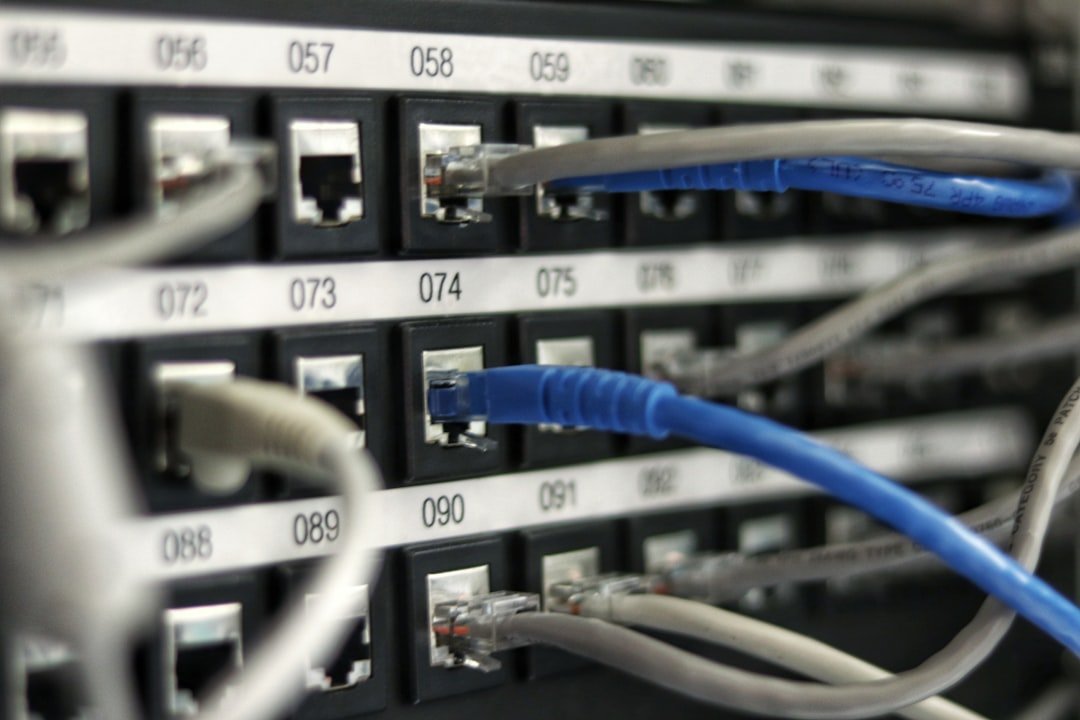
- Power over Ethernet: A single cable delivers both power and internet to your wall-mounted access points.
- Granular Control: The Omada app lets you set up guest networks, parental controls, and separate IoT networks effortlessly.
Cons of the Omada System
While the performance gains are undeniable, there are a few practical considerations to keep in mind before upgrading.
- Installation Complexity: Unlike plug-and-play mesh pods, this system requires mounting access points and running Ethernet cables for peak performance.
- Higher Upfront Cost: Purchasing a separate gateway, PoE switch, and access points is more expensive than a basic consumer router.
Who Should Buy This
The TP-Link Omada ecosystem is not necessarily designed for casual users who only connect a single phone and a laptop to the web. Instead, it serves specific user profiles who demand uncompromising performance.
Remote Workers and Creators
If your livelihood depends on uploading massive video files, hosting uninterrupted video conferences, or managing local servers, the stability of a dedicated 2.5G gateway is a game-changer. It prevents household traffic from interrupting your professional workflows.
Modern Smart Homes
Houses with dozens of smart switches, cameras, smart TVs, and voice assistants quickly overwhelm basic routers. The Omada system handles hundreds of concurrent connections easily, keeping your critical smart devices responsive and online 24/7.
Final Verdict: Is Business-Grade Tech Worth It?
If you have been tolerating mediocre Wi-Fi coverage and unexplained drops, upgrading to a professional ecosystem is the ultimate fix. The TP-Link Omada Fusion 2.5G setup replaces the guesswork of consumer mesh kits with robust, enterprise-grade reliability and lightning-fast local speeds. If reliable high-speed connectivity throughout your entire home matters to you, this enterprise-grade hardware is well worth a closer look.
Frequently Asked Questions
What makes a gateway different from a standard home router?
A gateway acts as the dedicated brain of your network, focusing solely on routing, security, and traffic management, while leaving wireless broadcasting to separate, specialized access points.
Do I need to run Ethernet cables for the Omada system to work?
Yes, to get the absolute best performance, the access points should be connected to the gateway or a PoE switch via Ethernet cables to ensure full speed without wireless loss.
Is the TP-Link Omada system difficult to configure?
While it offers enterprise-level depth, the unified Omada app simplifies initial setup, making it accessible for home tech enthusiasts and power users.
⚡ Pro Tip: Never overpay on Amazon!
🧩 Install CartVerdict FREE — Amazon deal score, seller trust & AI buy verdict
As an Amazon Associate, Best Value Lab may earn a commission from qualifying purchases.