Best Smart Plugs for Energy Saving 2026: Top Picks for Eco-Friendly Living
In the rapidly evolving landscape of smart home technology, the best smart plugs for energy saving 2026 are gaining immense popularity among environmentally conscious consumers, tech enthusiasts, and those seeking to reduce their utility bills. These devices are not just convenient; they are revolutionizing how we manage energy consumption with features that enhance efficiency, automate routines, and promote sustainability. As we transition into an era where energy conservation is imperative, investing in smart plugs becomes a strategic move towards a greener lifestyle.
This comprehensive guide explores the top smart plugs of 2026, highlighting their features, benefits, and real-world impact. Whether you’re a homeowner looking to optimize energy use or a tech-savvy individual passionate about eco-friendly innovations, understanding how to choose and utilize the best smart plugs for energy saving 2026 will empower you to make smarter, more sustainable choices in your daily life.


Introduction: The Rise of Smart Plugs for Energy Conservation in 2026
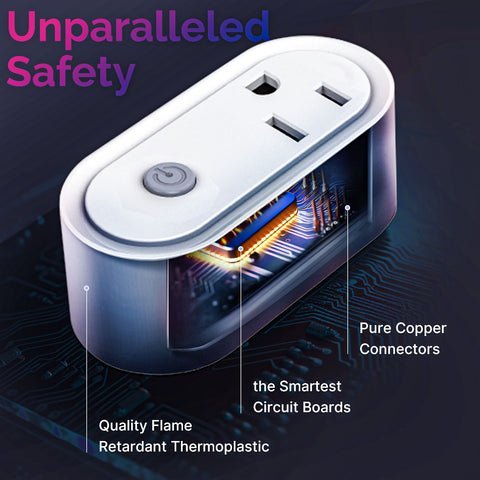
The dawn of 2026 marks a pivotal shift in how households and businesses approach energy management. Due to escalating environmental concerns, rising energy costs, and advances in IoT (Internet of Things) technology, smart plugs have transitioned from luxury gadgets to essential tools for sustainable living. These compact devices connect to Wi-Fi and allow users to control, schedule, and monitor energy usage with minimal effort, often via mobile apps or voice commands.
Today, more than ever, consumers seek devices that go beyond convenience to deliver tangible energy savings. The best smart plugs for energy saving 2026 are equipped with intelligent features such as real-time energy monitoring, adaptive scheduling, and compatibility with sustainable energy systems. As part of an integrated smart home ecosystem, they not only reduce wastage but also foster a proactive approach toward environmentally responsible living. This change highlights a broader societal embrace of green technology, driven by the urgent need to combat climate change and reduce our carbon footprint.
More than just fragments of technology, these smart plugs symbolize a shift towards mindful energy consumption—empowering us to make smarter decisions, lower costs, and contribute to global sustainability efforts. As innovation accelerates, consumers are increasingly demanding devices that seamlessly merge efficiency with ease of use, and 2026 is set to be the year where this balance reaches new heights.
Top Smart Plugs of 2026: A Comparative Analysis for Energy Efficiency
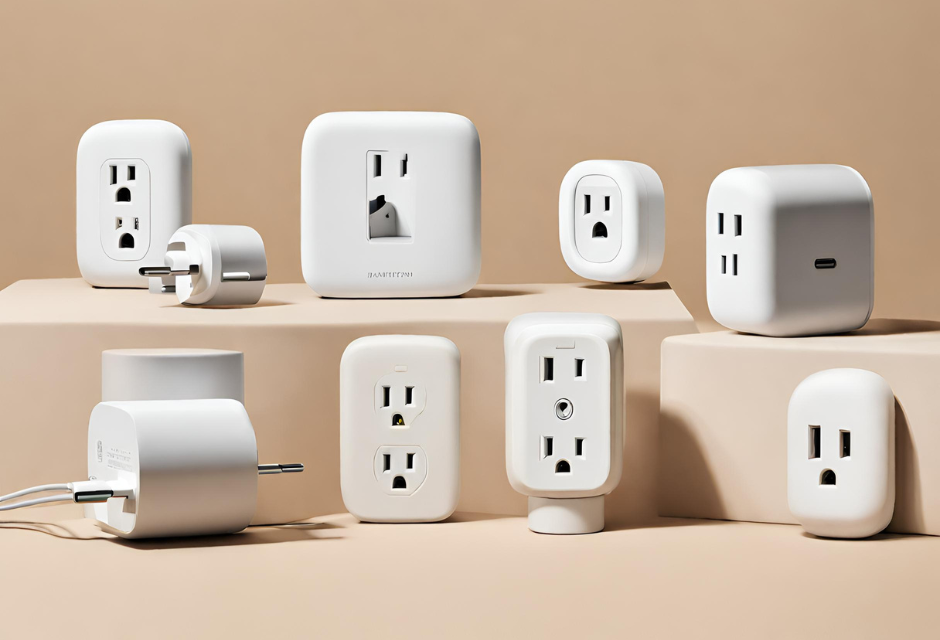
In 2026, the market is flooded with a myriad of smart plugs, each claiming to be the most energy-efficient. However, a few models stand out because of their innovative features, ease of integration, and proven track record of delivering savings. Companies such as TP-Link, Eufy, Meross, and Gosund have propelled themselves to prominence, offering models that prioritize energy management alongside user-friendly design.
For instance, TP-Link’s Kasa Smart Wi-Fi Plug TP-Link has been applauded for its robust app interface, precise energy monitoring, and compatibility with voice assistants like Alexa and Google Assistant. Its energy consumption reports allow users to identify energy-heavy devices and optimize usage patterns. On the other hand, Eufy’s smart plugs come with unique features such as built-in timers that adapt based on usage routines, contributing to considerable energy savings. Meross, meanwhile, has focused on affordability without compromising sophistication, providing energy analytics and remote control that make it easy for users to monitor and manage their devices efficiently.
What distinguishes the top contenders in 2026 is their integration with AI-powered algorithms that learn user habits, adjusting schedules automatically to maximize savings. These smart plugs also support seamless integration with renewable energy sources, further boosting their eco-friendly credentials. When comparing these devices, factors like compatibility, energy tracking accuracy, ease of installation, and long-term savings potential are crucial. Ultimately, the best smart plugs are those that not only deliver on their promises of energy efficiency but do so effortlessly, encouraging widespread adoption and fostering a culture of sustainable habits.
Key Features to Consider When Choosing a Smart Plug for Energy Saving
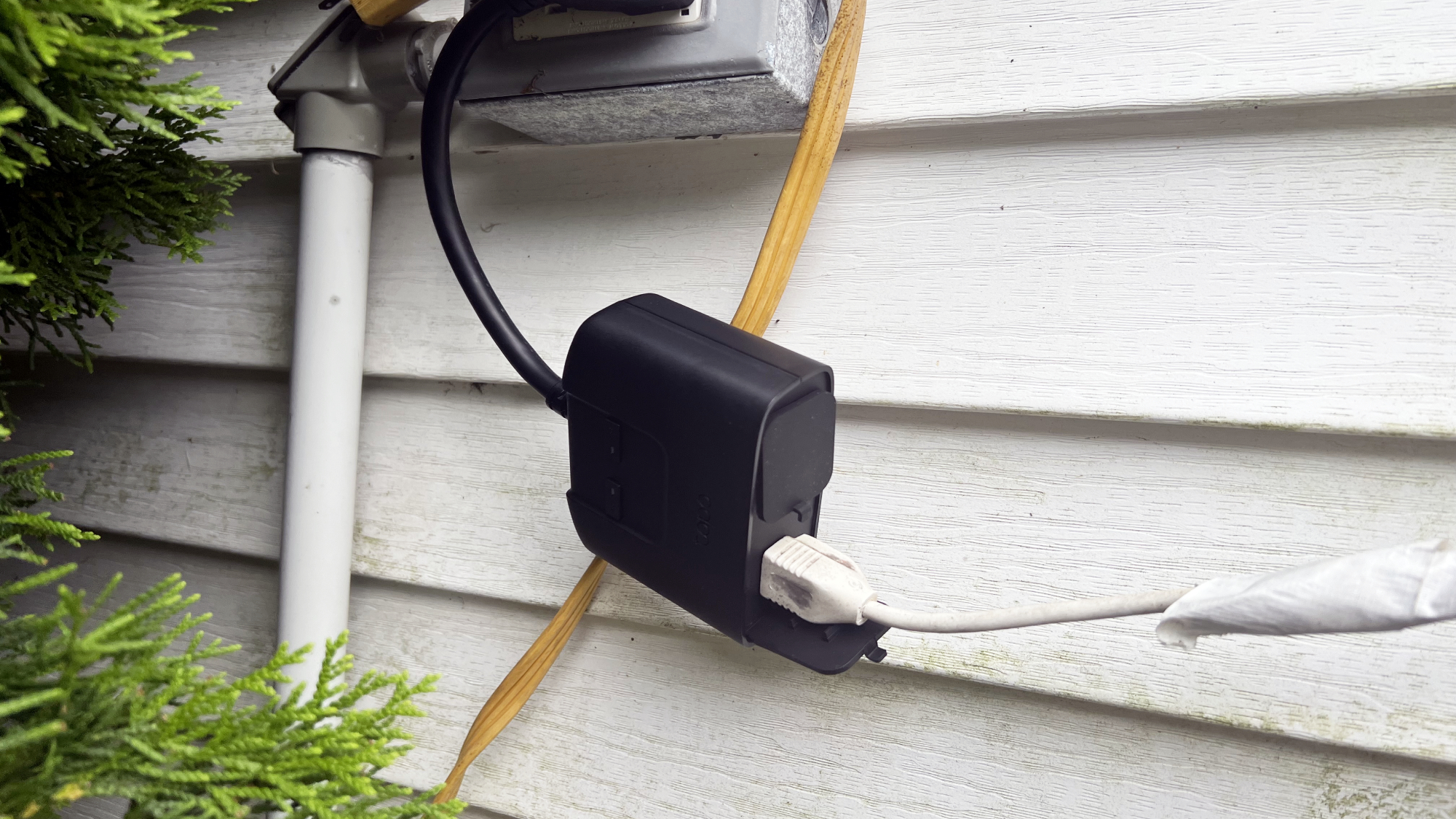
Selecting the best smart plugs for energy saving 2026 requires a keen understanding of core features that contribute to energy efficiency. Firstly, real-time energy monitoring is paramount. This feature allows users to see exactly how much energy each device consumes, enabling informed decisions to unplug or schedule high-consuming appliances at optimal times. Accurate energy reports empower households to identify patterns and eliminate unnecessary waste, turning abstract energy savings into tangible costs reduction.
Another critical feature is adaptive scheduling. Smart plugs equipped with this capability can learn household routines and automatically turn devices on or off based on occupancy, time of day, or environmental conditions. This not only reduces energy consumption but also adds a layer of convenience. Compatibility with voice assistants and smart home ecosystems enhances usability, facilitating hands-free control and integration with other smart devices like thermostats and lighting systems. Additionally, security protocols such as WPA3 encryption and user access controls are vital to protect household data in an increasingly connected world. Ultimately, robust build quality, ease of installation, and long-term software support also factor into making an informed purchase decision, ensuring that you select a device that will deliver sustained energy savings and reliable performance.
Beyond these features, future-proofing your investment by choosing smart plugs that support over-the-air updates and API integrations can significantly extend their lifespan and adaptability to emerging energy-saving technologies. Prioritizing these aspects guarantees that your smart home remains efficient, secure, and aligned with evolving environmental standards well into 2026 and beyond.


Real-World Energy Savings: Case Studies Using Smart Plugs in 2026
Real-world application of smart plugs reveals inspiring stories of significant energy savings, budget reduction, and environmental impact. For example, a family in California implemented a set of advanced smart plugs with energy monitoring features during 2026. By scheduling high-energy-consuming devices like kitchen appliances and entertainment systems, they reduced their monthly electric bill by approximately 20%. Over six months, they tracked a cumulative energy saving equivalent to powering their entire home using renewable energy sources for a day—a powerful testament to the impact of smart technology.
In another case, a small business in Berlin used smart plugs to automate lighting and HVAC systems based on occupancy patterns. Their smart plug-enabled energy management system cut overall energy consumption by 25%, translating into substantial cost savings and a significant reduction in their carbon footprint. These case studies underscore the practicality and effectiveness of investing in the best smart plugs for energy saving 2026. They demonstrate how integrating intelligent devices into daily routines can create substantial environmental benefits while also delivering economic incentives—a vital step toward a sustainable future.
What these stories reveal is that energy savings are not merely theoretical but achievable through consistent use and thoughtful integration of smart plugs. They also highlight the importance of user engagement: the more actively users monitor and optimize their energy patterns via smart plug technology, the greater the potential for impactful savings. As smart home ecosystems become more prevalent and intuitive, experiences like these will become increasingly commonplace, inspiring broader adoption and fostering a culture of energy consciousness across households and industries alike.
Future Trends in Smart Plug Technology and Energy Management
The trajectory of smart plug technology points towards increasingly intelligent, interconnected, and eco-centric solutions in 2026 and beyond. One of the most promising trends is the integration of AI and machine learning algorithms that can dynamically optimize energy consumption patterns based on real-time data and predictive modeling. This evolution will enable smart plugs to not only respond to user commands but proactively make adjustments that maximize efficiency without sacrificing convenience. Imagine a smart plug that learns your daily routine, adjusts power schedules automatically, or even interacts with your energy provider to balance demand and supply—these are the future potentials.
Furthermore, the emphasis on sustainability will fuel compatibility with renewable energy sources. Smart plugs may soon integrate directly with solar panels, wind turbines, or home battery systems, providing a cohesive energy ecosystem. Such integration will facilitate smarter load balancing, grid stabilization, and community-based energy sharing—pushing energy conservation beyond individual households. On a design level, we can expect more aesthetically pleasing, modular, and energy-efficient smart plugs with features like minimal power draw, eco-friendly materials, and enhanced security measures to prevent hacking and data breaches. As energy-aware consumers demand smarter, greener living solutions, manufacturers will accelerate innovation to meet these expectations, transforming homes into truly intelligent, sustainable habitats.
The evolution will also see advancements in IoT connectivity protocols, making smart plugs more interoperable across different ecosystems and platforms. This will enhance user experience, allowing seamless control via multiple interfaces and devices. Additionally, regulatory frameworks and standards will likely emerge to incentivize energy-saving features and data transparency, aligning industry progress with global sustainability goals. As we forge ahead, the convergence of AI, renewable energy, robust security, and user-centric design will define the next-generation of smart plugs, turning them into indispensable tools for a sustainable 2026 and beyond.
Conclusion: Making an Informed Decision for a Sustainable Future with Smart Plugs
The era of 2026 heralds a new chapter where smart plugs are central to fostering sustainable living by significantly reducing energy waste. Choosing the best smart plugs for energy saving 2026 involves understanding their core features, real-world impact, and future potential. With advancements in AI, IoT connectivity, and compatibility with renewable sources, these devices are transforming homes from passive energy consumers into active participants in environmental stewardship. They empower users to monitor, manage, and optimize energy use effortlessly, making savings both accessible and scalable. As individuals and communities embrace these innovative solutions, they not only cut costs but also contribute positively to the planet’s health, proving that small, intelligent choices can foster a big, positive impact.
By making an informed selection rooted in current technology and future trends, consumers can ensure their investments remain effective, secure, and aligned with evolving standards of sustainability. Smart plugs are more than gadgets—they are catalysts for a smarter, greener, and more responsible lifestyle. As 2026 unfolds, the strategic adoption of these devices will undeniably play a critical role in shaping a more sustainable future for all, compelling us to harness technology not only for convenience but for the greater good of our environment.

 amazon.com