

Power Up Your Home: The Best Smart Plugs for Home Automation
Introduction to Smart Home Automation
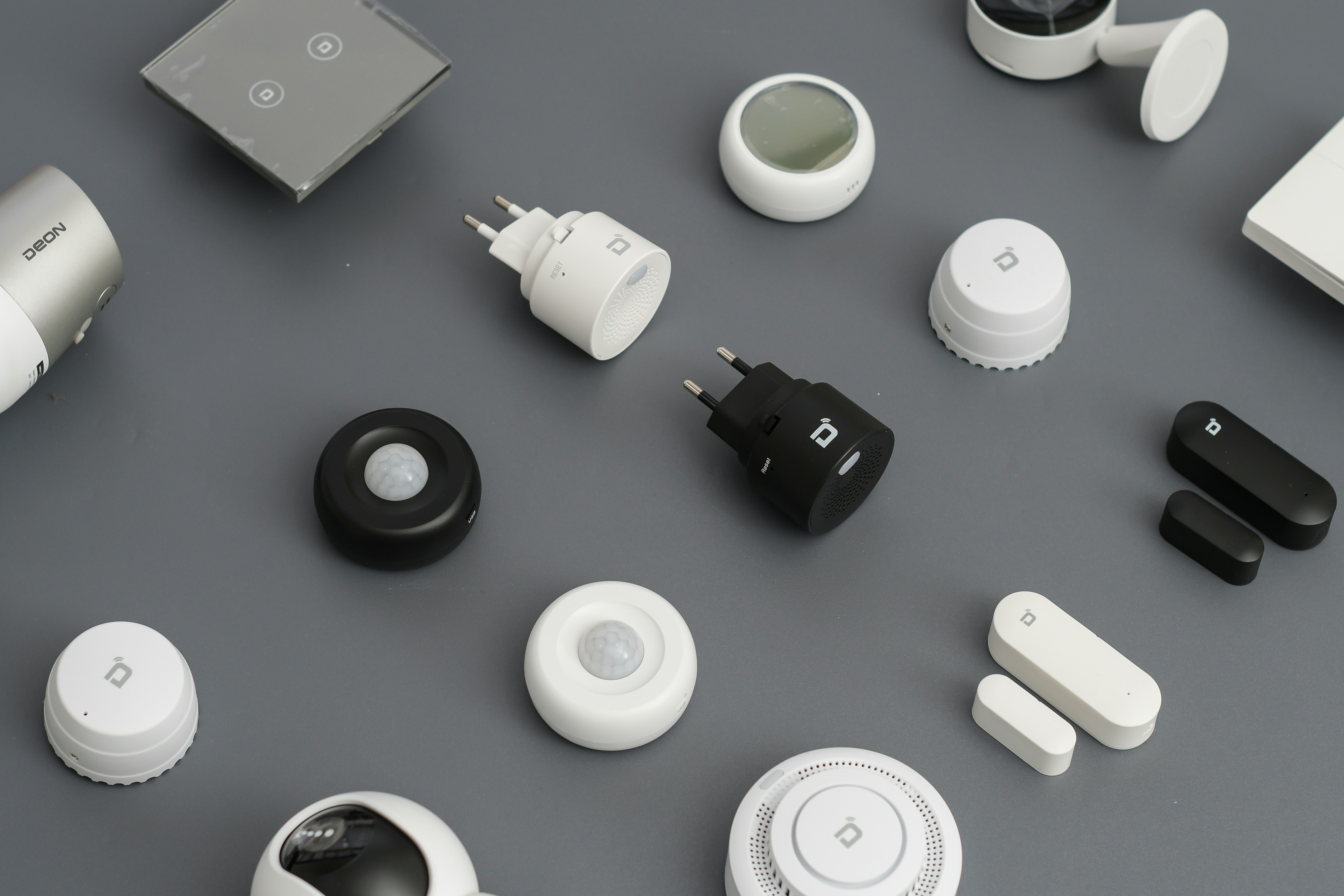
Smart home automation refers to the integration of technology into everyday household tasks, transforming traditional homes into connected environments. This innovation allows various devices and systems to communicate with one another, making it possible to monitor and control them remotely. The rise of smart home technology signifies a significant shift in how we interact with our living spaces. Now, homeowners can leverage advanced tools, such as smart plugs, to enhance convenience and efficiency.
With smart home automation, the complexity of managing multiple devices is significantly reduced. Imagine a scenario where, with just a few taps on your smartphone, you can turn off the lights in the living room, adjust the temperature of your thermostat, or even start your coffee maker. This seamless interaction not only saves time but also enhances the overall quality of life by reducing the effort required for mundane tasks.
The appeal of smart home automation lies in its ability to streamline daily routines and improve home management. For instance, smart plugs play a pivotal role in creating a sophisticated network that connects various appliances. These compact devices can easily transform ordinary gadgets into smart devices, allowing users to operate them via mobile applications. The sense of empowerment gained from this level of control—being able to manage home systems from virtually anywhere—is a game-changer in modern living.
Moreover, the integration of smart technology promotes energy efficiency by enabling users to customize usage patterns based on their preferences. Homeowners can monitor energy consumption in real-time, identifying opportunities for savings and reducing unnecessary waste. As we delve deeper into the world of smart home automation throughout this blog, it becomes clear that these advancements are not just a fad; they are an essential evolution in how we experience our homes.

 amazon.com




What to Look for in Smart Plugs
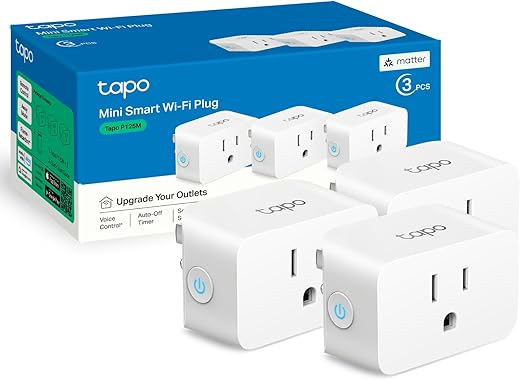
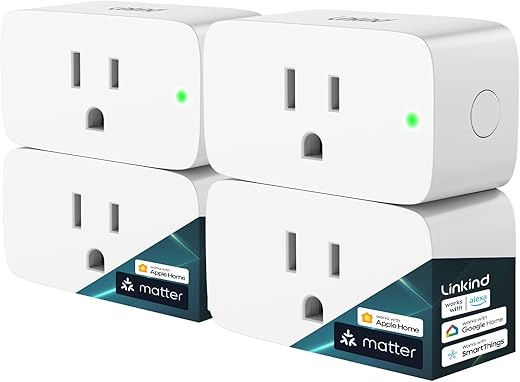
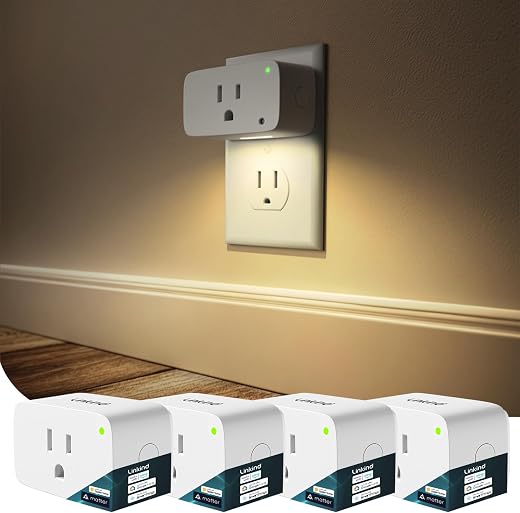
When selecting the best smart plugs for home automation, several key features and specifications should be considered to ensure you are investing in quality devices that meet your needs. First and foremost, Wi-Fi connectivity is essential. A reliable and robust Wi-Fi connection allows the smart plug to communicate seamlessly with your home network and other devices. Look for models that operate on both 2.4GHz and 5GHz bands to enhance performance and connectivity.
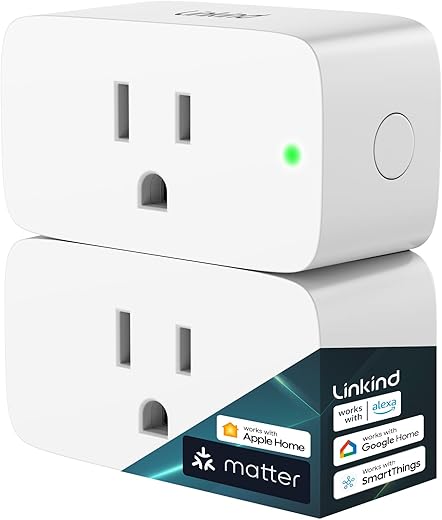
Another important feature is compatibility with voice assistants. Many modern smart plugs integrate with popular voice-controlled platforms such as Amazon Alexa, Google Assistant, and Apple HomeKit. This compatibility allows for hands-free control and can make daily tasks more convenient and efficient. Before purchasing, verify that the smart plug you choose can work with your preferred voice assistant to maximize its utility.
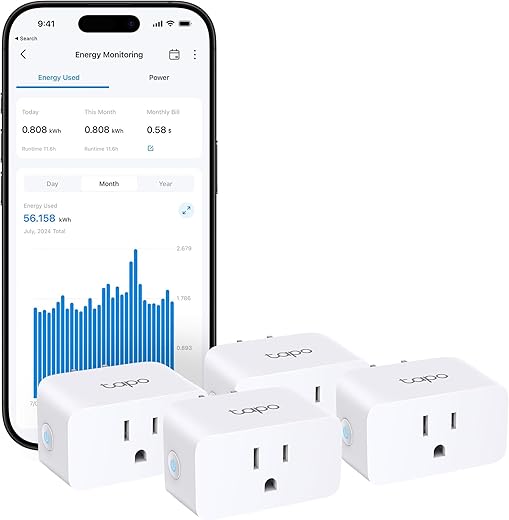
Energy monitoring capabilities are also an attractive feature in smart plugs, offering insights into how much energy each connected device consumes. This feature not only enables you to track energy usage but can also assist in reducing your utility bills over time by identifying energy-hogging devices. Look for smart plugs that provide detailed energy consumption data through their associated apps.
Finally, consider the ease of installation. The best smart plugs come with simple setup processes, often requiring minimal effort to connect to your home Wi-Fi and app. A user-friendly interface and clear instructions can significantly enhance the experience. Overall, focusing on these key attributes—Wi-Fi connectivity, voice assistant compatibility, energy monitoring, and ease of installation—will assist you in choosing the most suitable smart plugs for your home automation needs.
Top Smart Plug Brands in 2026
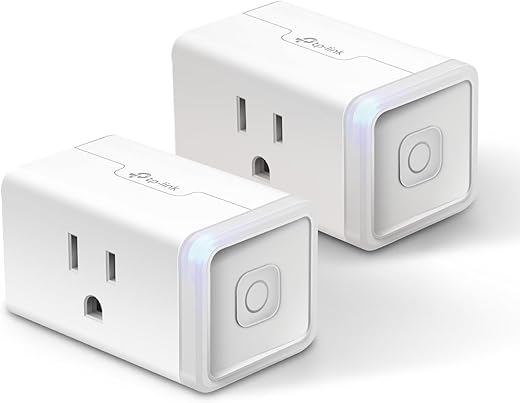
The market for smart plugs in 2023 is dominated by key brands that offer innovative solutions to enhance home automation. Among these, TP-Link stands out with its Kasa Smart Plug line. Renowned for its user-friendly app and seamless integration with various smart home systems, TP-Link focuses on providing reliable connectivity and excellent security features. The ability to monitor energy usage through the Kasa app also positions TP-Link as an attractive option for environmentally conscious consumers.
Wemo, a brand under Belkin, is another powerful player in the smart plug arena. Wemo plugs are known for their compatibility with Apple HomeKit, Google Assistant, and Amazon Alexa, making them versatile options for any smart home ecosystem. Their easy setup process and reliability have garnered a robust following among users seeking efficient home automation solutions. Wemo also offers HomeKit-enabled plugs, providing additional security features that appeal to Apple’s customer base.
Amazon, with its Echo and Alexa ecosystem, has also made significant strides in the smart plug market. The Amazon Smart Plug is designed for optimal functionality with Alexa, allowing users to control their devices via voice commands effortlessly. This seamless integration allows for automation scenarios that enhance user convenience, streamlining everyday tasks. The brand not only emphasizes product functionality but also benefits from the massive reach of the Amazon platform, giving consumers easy access to a wide range of smart home devices.
When comparing these leading smart plug brands, it becomes clear that each brings unique attributes and strengths to the table. While TP-Link focuses on security and energy monitoring, Wemo offers compatibility with multiple ecosystems, and Amazon excels in voice-activated controls. The decision ultimately hinges on the specific needs of the consumer, ensuring that the smart plug enhances home automation effectively.





Best Smart Plugs for Different Needs
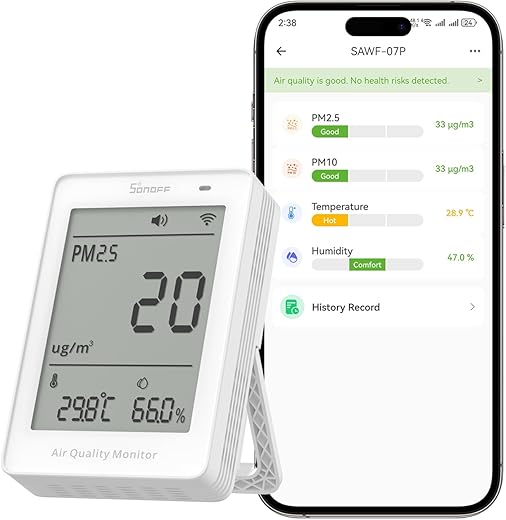
When it comes to home automation, selecting the right smart plug can greatly enhance your experience. Various smart plugs cater to different user requirements such as energy efficiency, remote access, and compatibility with existing smart home ecosystems. Below, we explore the best smart plugs tailored to meet specific needs.
For those focused on energy efficiency, models like the TP-Link Kasa Smart Wi-Fi Plug offer usage tracking features that help monitor power consumption. This information allows users to identify energy-hungry devices and optimize their usage, ultimately reducing electricity bills. Moreover, with energy conservation features, these plugs are ideal for environmentally conscious consumers aiming to reduce their carbon footprint.
If remote access is a priority, devices such as the Amazon Smart Plug provide a user-friendly solution. These plugs integrate seamlessly with Amazon Alexa, allowing users to control appliances remotely via voice commands or through the companion app. This convenient access is particularly beneficial for people who frequently travel or those with mobility challenges, enabling them to manage their home environment effortlessly.
For those invested in a fully integrated smart home experience, the Wemo Mini Smart Plug stands out. It is compatible with various smart home platforms such as Apple HomeKit and Google Assistant, thus providing flexibility for users with multiple systems in place. This compatibility ensures that users can automate daily routines across different devices, creating an interconnected network that enhances convenience.
In conclusion, selecting the right smart plug involves understanding individual requirements and priorities. Whether it is for energy management, remote access, or integration into an existing smart home setup, these options can significantly improve the efficiency and convenience of home automation.
Installation and Setup Made Simple
Setting up smart plugs can appear daunting at first, especially for those who are not particularly tech-savvy. However, by following a few straightforward steps, anyone can easily integrate these devices into their home automation system. To begin, ensure that you have a compatible smart plug and the corresponding app downloaded on your smartphone, whether it’s from an iOS or Android platform.
1. **Choose the Right Location**: Select an electrical outlet where you intend to use the smart plug. Ensure that it’s accessible and not obstructed by furniture or other objects. This location should also be within the range of your Wi-Fi network for optimal connectivity.
2. **Plug It In**: Insert the smart plug into the chosen outlet. Once plugged in, most smart plugs will indicate that they are powered on through a LED light. Make sure to observe this visual cue as it indicates readiness for setup.
3. **Open the App**: Launch the app that corresponds with your smart plug brand. If it is your first time using the app, you will need to create an account or log in to access its features.
4. **Add Device**: In the app, navigate to the option for adding a new device. This typically involves selecting the type of device you wish to add, in this case, a smart plug, and following the prompts that appear on your screen.
5. **Connect to Wi-Fi**: The app will request that you connect the smart plug to your Wi-Fi network. Input your network credentials to establish the connection. Ensure that you are within reach of your router for a stable signal.
6. **Customize Settings**: Once connected, configure your preferences, such as naming the plug and setting up any scheduled actions. This step allows you to control your devices more efficiently.
With these simple steps, your smart plug can be operational in no time. After installation, testing the plug through the app ensures everything is functioning correctly, paving the way for seamless home automation. Whether turning devices on and off remotely or scheduling them to operate at specific times, transforming your home into a smart living environment is a more manageable task than expected.
Enhanced Everyday Life with Smart Plugs
Smart plugs have swiftly evolved from a technological novelty to an essential component of home automation. Their practical use cases can significantly enhance and simplify everyday living. One of the most popular applications is setting schedules for devices such as coffee machines. Imagine waking up to the rich aroma of freshly brewed coffee, all thanks to a smart plug programmed to turn on at a specified time. This convenience transforms routine mornings, allowing homeowners to enjoy a seamless start without the daily hassle.
Beyond morning rituals, smart plugs can also manage the myriad of devices that populate our lives. For instance, implementing a schedule for lamps ensures that homes remain lit while residents are away, enhancing security. By configuring lights to turn on and off at predetermined times, homeowners can create the illusion of occupancy, warding off potential intruders. This feature is particularly helpful for holiday decorations. Instead of manually plugging and unplugging strings of lights, simply utilize smart plugs to automate holiday cheer, allowing them to shine brightly at scheduled times.
Furthermore, smart plugs empower users to monitor energy consumption, offering insights that can lead to improved energy efficiency. By tracking which devices consume the most power, households can make informed decisions about usage patterns and adjustments. This data can also contribute to reduced utility bills, benefitting both the environment and the homeowner’s wallet.
In addition, integrating smart plugs with voice assistant technologies enables hands-free control. This integration allows users to turn devices on or off, adjust settings, or check on appliance status just through voice commands. As such, smart plugs do not only add convenience; they also amplify connectivity within the home, fostering a more efficient and modern living space.
Comparative Analysis of Popular Smart Plugs
The proliferation of smart plugs on the market has made it essential to evaluate their features, pricing, user experiences, and overall effectiveness. Below, we assess some of the most popular models, providing readers with a comprehensive overview to facilitate informed decision-making.
One of the leading contenders is the TP-Link Kasa Smart Plug. Known for its reliability, it integrates seamlessly with Alexa, Google Assistant, and IFTTT. Priced competitively, it offers features such as scheduling, timers, and remote access via a mobile app. Users appreciate its user-friendly setup and consistent performance, which enhances home automation.
Another notable entrant is the Amazon Smart Plug. Its pricing is slightly higher, but it is specifically designed to work within the Amazon ecosystem. The primary advantage here is its straightforward setup and voice control capabilities through Alexa. Users often praise its simplicity and integration, although some note that it lacks advanced features like energy monitoring.
The Wyze Smart Plug stands out for its affordability while offering an impressive array of features, such as scheduling, timers, and compatibility with Alexa and Google Assistant. User experiences reveal that it’s particularly effective for simple automation tasks, but some find its app features underwhelming compared to its pricier counterparts.
When considering smart plugs, it’s critical to evaluate both the benefits and limitations. The TP-Link Kasa excels in connectivity, while the Amazon Smart Plug offers exceptional ease of use. In contrast, the Wyze Smart Plug exemplifies value for money. By weighing pricing, features, and user feedback, consumers are empowered to select the ideal smart plug that meets their unique needs.
Safety and Security Considerations
As technology advances, the integration of smart devices into our homes has become commonplace. However, with this rise in automation comes the necessity for robust safety and security measures. Smart plugs, designed to enhance convenience and efficiency, can also pose risks if not used with caution. Ensuring that these devices are secured against unauthorized access is paramount for safe home automation.
One of the fundamental steps in securing smart plugs is to change the default credentials immediately after installation. Many devices come equipped with standard usernames and passwords that can be easily found online, making them vulnerable to attacks. Users should create unique and complex passwords to safeguard their devices from potential threats. Furthermore, enabling two-factor authentication (2FA) can provide an additional layer of security, further reducing the risk of unauthorized access.
Another consideration is the placement and usage of smart plugs. It is advisable to avoid setting up smart plugs in areas that may be exposed to public access or high traffic. By keeping these devices within secure environments, the likelihood of tampering decreases significantly. Regularly updating the firmware of smart plugs can also protect users from newly discovered vulnerabilities, as manufacturers frequently release updates that improve security protocols. Additionally, users should monitor their network for unfamiliar devices and ensure that their Wi-Fi network is secured using WPA3 encryption, which offers enhanced protection against threats.
Finally, users must educate themselves about the privacy policies of manufacturers and understand how their data will be used. Familiarity with safety settings on smart plugs can assist in minimizing data sharing and enhancing personal security. Balancing innovation with caution is essential, as it helps maintain a secure home automation environment while enjoying the benefits of smart technology.
Final Thoughts & Call to Action
Embracing home automation begins with innovative devices that increase convenience and energy efficiency. Smart plugs stand at the forefront of this revolution, transforming ordinary appliances into intelligent devices that can be controlled remotely. By enabling seamless integration with smart home systems, these versatile gadgets allow users to manage their energy consumption, enhance security, and simplify their daily routines.
Transitioning to a smarter home doesn’t have to feel overwhelming. In fact, beginning with smart plugs is an ideal first step. They offer a user-friendly introduction to the world of automation, providing instant benefits without requiring a complete overhaul of your existing setup. With various options available, it’s easy to select plugs that fit your lifestyle and budget. From basic remote control features to advanced scheduling and automation capabilities, there’s something suitable for everyone.
As you contemplate enhancing your home, consider exploring the best smart plugs on the market. Leading brands offer reliable models equipped with diverse functionalities, ensuring that you find the perfect match for your home environment. Researching these options can be an exciting journey, paving the way to a more interconnected, efficient space.
Do not hesitate to take the step toward smarter living. Browse through reviews, consult fellow users, and identify what features matter most to you. Once you discover the right smart plug, you’ll wonder how you ever managed without it.
Let today mark the beginning of your journey towards a smarter home. With a few simple additions, you can power up your residence and enjoy the peace of mind that comes with effective automation. Dive into the world of smart solutions and transform your living space into a modern marvel!