
Smart Home Gadgets Guide (2026): Best Devices to Upgrade Your Home

 amazon.com





Welcome to Your Smart Home Journey
The advent of smart home gadgets marks a significant technological leap that redefines our living spaces. These devices, which connect to the internet and interact with our everyday activities, provide users with an unprecedented level of convenience, comfort, and security. Imagine waking up in the morning to the gentle glow of smart lights that mimic the sunrise, or arriving home to a perfectly climate-controlled space, all set by your smart thermostat. This is the essence of smart home technology.
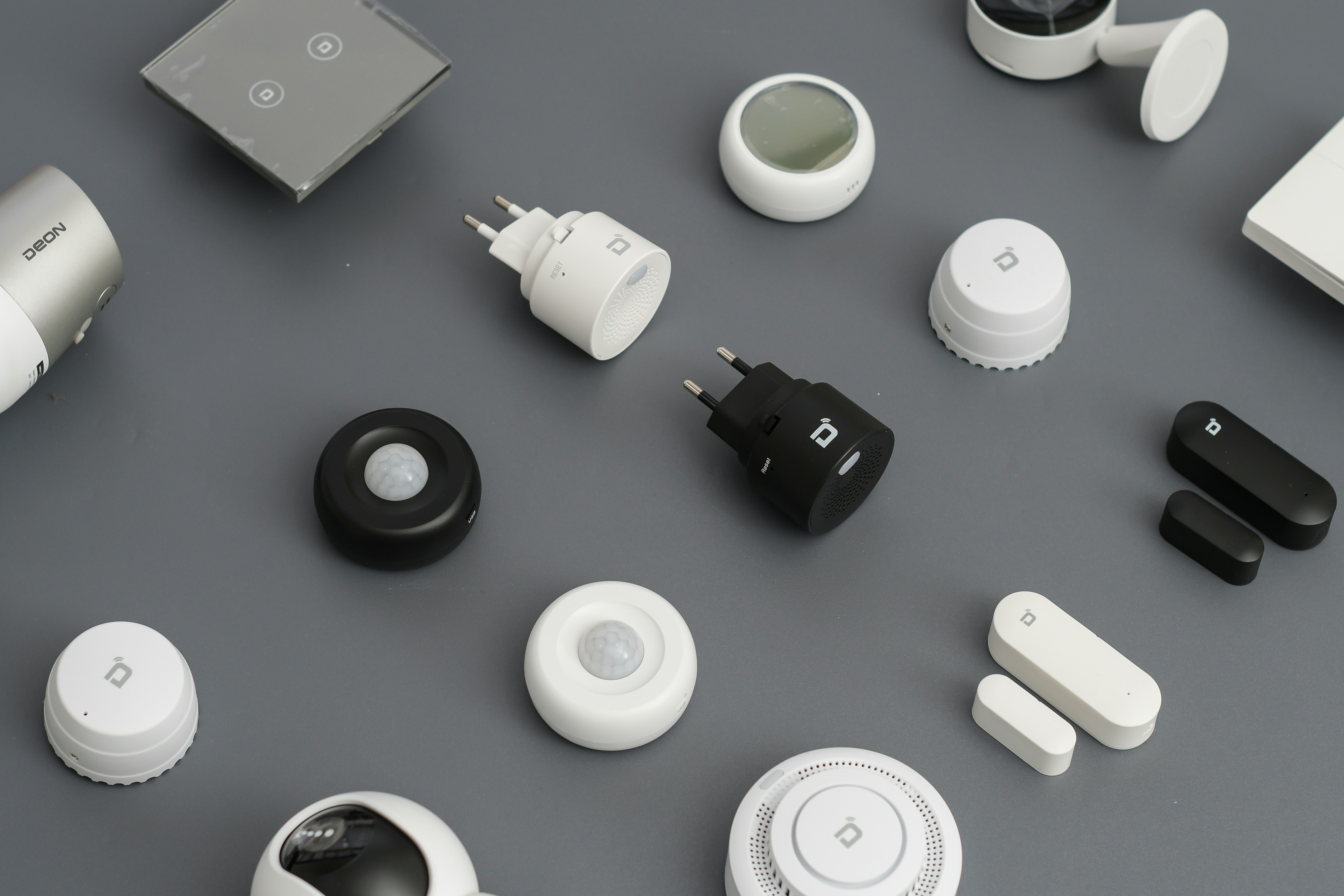
Smart home gadgets encompass a broad range of products, including smart speakers, security cameras, and appliances that can be programmed or controlled remotely. For instance, smart locks enhance security by allowing homeowners to manage access to their premises without physical keys, while smart cameras offer peace of mind through real-time monitoring. These innovations not only simplify everyday routines but also offer significant energy management capacity, contributing to a more sustainable lifestyle.
One of the most appealing aspects of these gadgets is their adaptability. Whether you are a tech enthusiast eager to automate every facet of your home or someone simply looking to enhance daily comfort and security, there is a variety of smart home solutions to fit your needs. They are designed to integrate seamlessly into your current lifestyle, making them remarkably user-friendly. As we explore the diverse world of smart home technology in the sections to follow, you will discover how these devices can transform your living space into an efficient, secure, and enjoyable environment.
The Smart Home Revolution: Why You Need It
The concept of smart homes has rapidly transitioned from a novelty to a necessity in recent years. With over 30% of U.S. households expected to own at least one smart home device by the end of 2023, the market for smart home technology is seeing unprecedented growth. According to Statista, the global smart home market revenue is projected to reach $212 billion in 2025, showcasing how integral these technologies have become to modern living.
Smart home gadgets not only promise convenience but also enhance safety, efficiency, and quality of life. For instance, smart thermostats can reduce energy consumption by learning your routines, saving homeowners approximately 10-12% on heating and cooling bills. Additionally, smart security systems allow homeowners to remotely monitor their property, offering peace of mind when away from home. Statistics have shown that homes equipped with smart security features report a 30% reduction in burglary attempts.
Moreover, the integration of voice-controlled devices has significantly simplified everyday tasks. As people become more accustomed to technology, the demand for interconnected devices continues to rise. The advent of platforms like Amazon Alexa and Google Assistant has enabled seamless interaction among various smart gadgets, making it easier to manage home environments intuitively. By 2024, it is estimated that over 1.3 billion voice assistants will be actively used globally, highlighting their essential role in homes.
The smart home revolution goes beyond mere gadgets; it represents a lifestyle shift toward greater control and customization in daily living. With increasing accessibility and affordability, more individuals are recognizing the advantages of adopting these technologies. From improving energy management to enhancing the security of one’s home, smart home devices are transforming how we live, offering benefits that extend far beyond convenience.



Must-Have Smart Home Gadgets
In the era of advanced technology, the integration of smart home gadgets has revolutionized the way we experience our living spaces. These devices not only enhance convenience but significantly improve security and energy efficiency. Below are some essential smart home gadgets that every homeowner should consider.
One of the most popular options is the smart thermostat. This device allows homeowners to control their heating and cooling systems remotely through a smartphone app. It learns user preferences, optimizing energy usage and resulting in lower utility bills. By investing in a smart thermostat, homeowners can create a comfortable environment while also contributing to energy conservation.
Security is a primary concern for many homeowners, making smart security systems essential. These systems can include smart locks, video doorbells, and surveillance cameras. Smart locks allow users to secure their homes remotely and grant access to trusted visitors via temporary codes. Video doorbells provide real-time alerts and video feeds, allowing users to see who is at their door, no matter where they are. Investing in these gadgets enhances home security, providing peace of mind.
For those seeking convenience, voice-activated speakers are a worthwhile addition. These devices can control various smart home gadgets, play music, provide weather updates, and even manage calendars through simple voice commands. This hands-free assistance streamlines daily tasks and enhances the overall living experience.
Additionally, smart lighting systems contribute not only to aesthetic appeal but also to energy efficiency. Homeowners can control light intensity and schedule when lights turn on or off, all from their mobile devices. Smart bulbs can even adapt to users’ schedules, ensuring that energy is not wasted.
Overall, integrating these must-have smart home gadgets into your household not only improves convenience and security but also establishes a responsible approach to energy use. These innovations represent a wise investment in creating a modern and efficient living environment.
Choosing the Right Brand: Not All Gadgets Are Created Equal
As consumers delve into the smart home market, navigating through a plethora of options can be daunting. One of the most crucial factors to consider is the brand reputation. A brand’s reliability can significantly impact a customer’s experience with smart home gadgets, transforming them from mere conveniences to essential household allies. To select the right brand, potential buyers should conduct thorough research, focusing on a few key areas.
First, reviews play a pivotal role in assessing a brand’s credibility. Online platforms, such as consumer review sites and technology blogs, can provide insight into the performance and durability of products. Pay attention to both positive and negative feedback. A brand that receives a consistent influx of favorable reviews regarding its customer service and product quality is likely a safe bet. Furthermore, look for reviews that highlight the longevity of their smart home devices, as this reflects the brand’s commitment to quality.
Next, examining warranties can offer valuable information about a brand’s confidence in its products. A longer warranty often indicates that a company stands behind its offerings and is willing to address any defects that may arise. It is important to review what the warranty covers as well; some brands may offer comprehensive coverage that includes parts and labor, while others might only cover specific components. This distinction can dramatically affect the total cost of ownership.
Lastly, consider the level of support offered by the brand. Accessible customer service through various channels—such as phone, chat, or email—can significantly ease post-purchase challenges. Brands that invest in customer support are often more likely to foster loyalty and provide effective resolutions to potential problems. By evaluating reviews, warranties, and support, consumers can confidently select a brand that stands out in the competitive smart home market.
Installation Made Easy: DIY vs. Professional Help
The installation of smart home gadgets is a crucial step in transforming your living space into a more efficient, connected environment. Homeowners often face the decision of whether to tackle this installation themselves or to seek the help of a professional. Each option presents its own set of advantages and disadvantages.
A significant advantage of opting for a DIY installation is the potential for cost savings. By handling the installation independently, you can avoid labor costs that often accompany professional services. Additionally, many smart home devices are designed with user-friendly interfaces and straightforward instructions, making it more accessible for homeowners to install these gadgets without expert guidance. The sense of accomplishment associated with successfully setting up a new gadget is also rewarding.
However, there are certain scenarios where professional assistance may be preferable. If the installation requires advanced technical skills or involves intricate wiring, hiring a professional could save you time and prevent complications. Professionals are skilled in addressing potential issues such as connectivity problems or device compatibility, ensuring that your smart home gadgets are integrated seamlessly. This assurance can eliminate the frustrations that sometimes accompany DIY installations.
For those who choose the DIY route, it is important to conduct thorough research prior to installation. Familiarize yourself with the device’s manual and watch tutorial videos, as these resources can provide invaluable guidance. Additionally, consider starting with simpler devices to build confidence before tackling more complex installations.
Ultimately, whether you choose to install smart home gadgets yourself or engage professional help, both paths can lead you to a modernized living space. Respecting your skills and comfort level with technology will guide you toward the right choice for your home needs.
Integrating Your Gadgets: Creating a Cohesive Smart Home Ecosystem
Creating a cohesive smart home ecosystem involves the seamless integration of various smart devices, similar to how a sports team functions effectively on the field. Each device acts as an individual player, and it is essential that they work in harmony to enhance the overall home experience. This approach not only maximizes the benefits of each gadget but also creates a streamlined environment that is user-friendly and efficient.
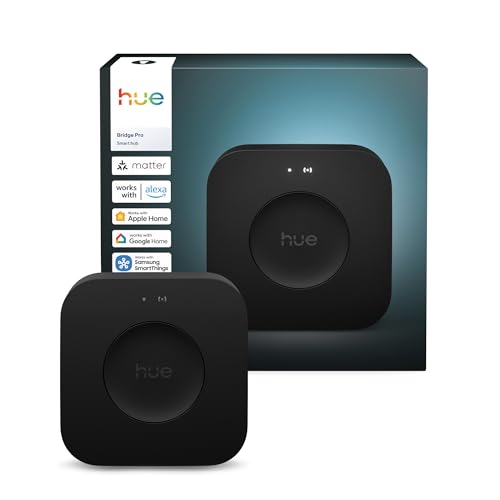
Begin by selecting a primary hub or controller that can manage different devices. Many smart home platforms, such as Google Home or Amazon Alexa, allow you to consolidate the control of multiple devices from various manufacturers. This centralization is akin to having a skilled captain on a sports team, directing players as they execute their strategies. By having a singular point of control, you can easily command your devices to interact with one another, fostering an atmosphere of synergy.
Next, consider the compatibility of devices during your selection process. Opting for products that are designed to work seamlessly together will significantly enhance the performance of your smart home. For example, integrating a smart thermostat with a smart lighting system can lead to energy savings and increased comfort. This is reminiscent of a team in which players have a clear understanding of each other’s roles, leading to more efficient outcomes.
Furthermore, take advantage of automation settings that allow your devices to react to various triggers. Setting routines or scenarios can automate actions based on time of day or occupancy, akin to designing plays for different game situations. For instance, you might schedule your lights to dim when it’s movie time or have your smart speaker play music when you start dinner. This not only streamlines your daily activities but also creates a more enjoyable living space.
In conclusion, the successful integration of smart home devices requires an understanding of their compatibility, centralized control, and the implementation of automation. By creating a cohesive environment where all devices work together, you enhance the quality of life in your home, just as a well-coordinated sports team can excel on the field.
Security in the Smart Home: Protecting Your Privacy
In an age where technology seamlessly blends into the fabric of our daily lives, the evolution of smart home gadgets is nothing short of remarkable. However, with every electronic companion comes the pressing concern of security and privacy. Think of your smart home as your own personal fortress. Would you leave the drawbridge down and the gates wide open? Likely not! The same principle applies when integrating smart technology into your home.
Statistics reveal that as of late 2022, over 12 million consumers reported experiencing some form of security breach involving smart devices. This alarming figure underscores the importance of being vigilant about your privacy. While smart speakers listen for your voice commands, one must ponder: are they also eavesdropping? The possibility of hackers infiltrating your network brings to light the necessity of safeguarding your devices.
To enhance your security, employ basic yet effective practices. Ensure that your Wi-Fi network is secured with a strong password. Regularly update your devices to protect against known vulnerabilities—just like one would regularly check their home’s locks. It’s essential to limit access permissions for apps tied to your smart gadgets, akin to only entrusting a few close friends with the key to your home.
Furthermore, consider setting up a separate network for your smart devices. This method works much like having a gated community for your tech, offering an extra layer of protection. As the adage goes, “better safe than sorry.” It’s crucial to strike a balance between enjoying the conveniences of smart living and maintaining a fortified home environment.
As technology advances, so too do the tactics of those who may wish to exploit it. By implementing fundamental security measures, you can enjoy the benefits of a smart home while keeping your privacy intact. Let your home be a hub of technological innovation, not a target for unwanted intrusions.
Smart Home on a Budget: Affordable Gadgets That Work
Creating a smart home doesn’t have to drain your wallet. In fact, there are numerous affordable gadgets available that enhance convenience and connectivity without sacrificing quality or functionality. With a little strategic planning, you can transform your living space into a smart home, all while staying budget-conscious.
One of the most effective ways to start is by investing in smart plugs. These devices enable you to control ordinary appliances from your smartphone, making them a perfect gateway into smart technology. Whether it’s turning off a lamp remotely or scheduling appliances to minimize energy use, smart plugs are a practical and affordable option. Many brands offer options starting at under $20, allowing you to dip your toes into smart home technology without significant financial risk.
Another cost-effective gadget is the smart bulb. These bulbs can be adjusted for brightness and color via an app, enhancing ambiance while offering energy savings. Given that traditional bulbs often last only a few years, investing in smart bulbs may save money long term. They can be purchased in sets or individually, usually priced between $10 and $30 each.
Home security doesn’t have to be synonymous with expensive system installations. Consider affordable smart cameras that connect to your phone, allowing you to monitor your property in real-time. Many budget-friendly options can be found starting at around $30. With these devices, you can check on your home while at work or even while on vacation, providing peace of mind without breaking the bank.
Moreover, open-source home automation platforms like Home Assistant further enhance your options, enabling you to better integrate various devices while saving on individual gadget costs. Overall, smart home technology on a budget is about strategic savings and smart choices. After all, being a wise steward of your finances and home doesn’t mean you have to forego convenience and innovation.
The Future of Smart Homes: What to Expect
The evolution of smart home technology shows no signs of slowing down, with numerous advancements promising to revolutionize our living spaces even further. As connectivity improves and technology becomes more integrated into daily life, we can anticipate an exciting array of innovations in the world of smart homes.
One of the leading trends is the rise of artificial intelligence (AI) within smart home devices. These intelligent systems will increasingly learn user preferences, adapting their functions to optimize energy savings, enhance security, and augment convenience. For example, we may soon find refrigerators that manage grocery inventories, suggesting recipes based on available ingredients, or smart HVAC systems that adjust temperatures based on sensory data reflecting occupancy and individual comfort levels.
Furthermore, the Internet of Things (IoT) continues to expand, interlinking devices in a way that allows seamless communication and automation. The potential for smart home gadgets to interact and cooperate with one another will transform homes into centralized ecosystems. From interconnected security systems that alert homeowners of unusual activity to smart lighting that adjusts according to natural light levels, the options seem endless.
Additionally, sustainability is becoming a key focus in smart home technology. Expect to see advanced gadgets aimed at reducing energy consumption and carbon footprints. Innovations such as solar-powered devices, energy-efficient appliances equipped with smart features, and systems for monitoring and managing water usage are just around the corner.
The design of smart devices is also evolving. As functionality expands, aesthetics are becoming equally important. Homeowners can anticipate a new wave of smart devices that blend seamlessly into home décor, combining both elegance and intelligence.
In this promising future, the possibilities are virtually limitless. Smart home technology is set to enhance our lifestyles, offering a mix of utility, comfort, and environmental mindfulness, ultimately transforming the way we experience our living spaces.