

Smart Home Buying Guide for Beginners 2026
Embarking on a journey into the world of smart homes can feel both exciting and overwhelming, especially as technology rapidly evolves. For those new to this realm, understanding what to look for, which devices to prioritize, and how to ensure seamless integration can be daunting. This is where a comprehensive smart home buying guide for beginners 2026 becomes invaluable — offering clarity amidst the buzz and highlighting the key considerations to make your transition smooth and satisfying.
The smart home buying guide for beginners 2026 is an essential resource designed to help newcomers navigate the complexities of modern home automation. From selecting the right ecosystem to understanding confidentiality and security issues, this guide aims to empower you to make confident decisions. As technology advances, so do the possibilities; hence, staying informed about the latest trends and innovations can dramatically enhance your home’s convenience, safety, and energy efficiency in the coming years.
 amazon.com




Understanding the Basics of Smart Home Technology

When stepping into the world of smart homes, the first fundamental step is understanding the core technologies that define this ecosystem. At its simplest, a smart home leverages internet-connected devices—such as thermostats, lighting, security cameras, and door locks—which can be remotely controlled or automated for enhanced convenience. These devices form a network that communicates and responds based on user preferences or environmental triggers.
In 2026, the landscape of smart home buying guide for beginners 2026 emphasizes the importance of choosing interoperability. With countless brands and standards (like Zigbee, Z-Wave, Wi-Fi, and emerging protocols), understanding which devices are compatible and can communicate seamlessly is vital. Innovative solutions increasingly focus on hubless setups or platform-agnostic devices via cloud integration. Additionally, the shift towards AI-powered assistants like Amazon Alexa, Google Assistant, and Apple Siri ensures voice control remains a prominent feature. This convergence of hardware and software represents a significant evolution, making it more accessible for beginners to harness the full potential of their smart homes.
Beyond compatibility, security and privacy considerations should be at the forefront of your decision-making process. Modern devices employ sophisticated encryption, but vulnerabilities exist if the network isn’t properly secured. A thorough understanding of data collection processes and manufacturer reputation can safeguard your privacy. Ultimately, as smart home buying guide for beginners 2026 expands, more intuitive platforms will emerge, reducing setup complexity and increasing security, making smart homes more accessible.
Factors to Consider When Choosing Smart Home Devices

Choosing the right devices is critical to crafting a functional, secure, and enjoyable smart home environment. First, evaluate your primary needs—whether it’s remote lighting control, energy savings, home security, or entertainment. For beginners, starting with a few essential devices, such as smart bulbs, thermostats, or doorbells, offers a manageable way to learn and expand.
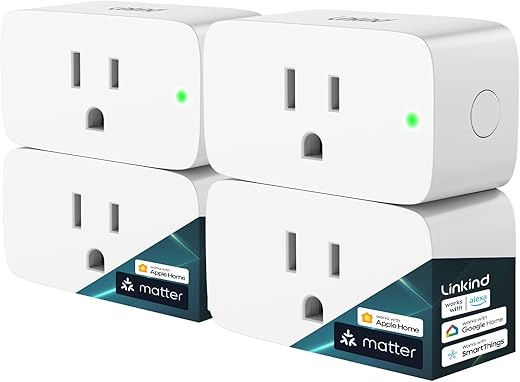
Another key factor is the ecosystem compatibility. As of 2026, smart device manufacturers are moving towards unified platforms—think Apple HomeKit, Google Home, or Amazon Alexa—that support broad device integration. Selecting a platform that aligns with your existing devices or personal preferences ensures a cohesive user experience. Additionally, pay attention to device quality, ease of installation, and durability, particularly for areas exposed to weather or frequent use. Long-term cost savings, energy efficiency, and compatibility with renewable energy solutions are also worthwhile considerations. Beyond the technical specs, personal insights suggest that user community support and ongoing software updates are crucial for troubleshooting and future-proofing your investment.
Furthermore, prioritize devices with robust security features, such as two-factor authentication and regular firmware updates, to protect against vulnerabilities. Noise levels, aesthetic design, and voice recognition accuracy are subjective yet personal factors that can influence satisfaction. The world of smart home buying guide for beginners 2026 encourages newbies to start small, focus on quality, and gradually expand based on real needs and experience. By doing so, homeowners can build a tailored smart home that is both intuitive and adaptable to their lifestyle.





Future Trends in Smart Home Technology for 2026 and Beyond
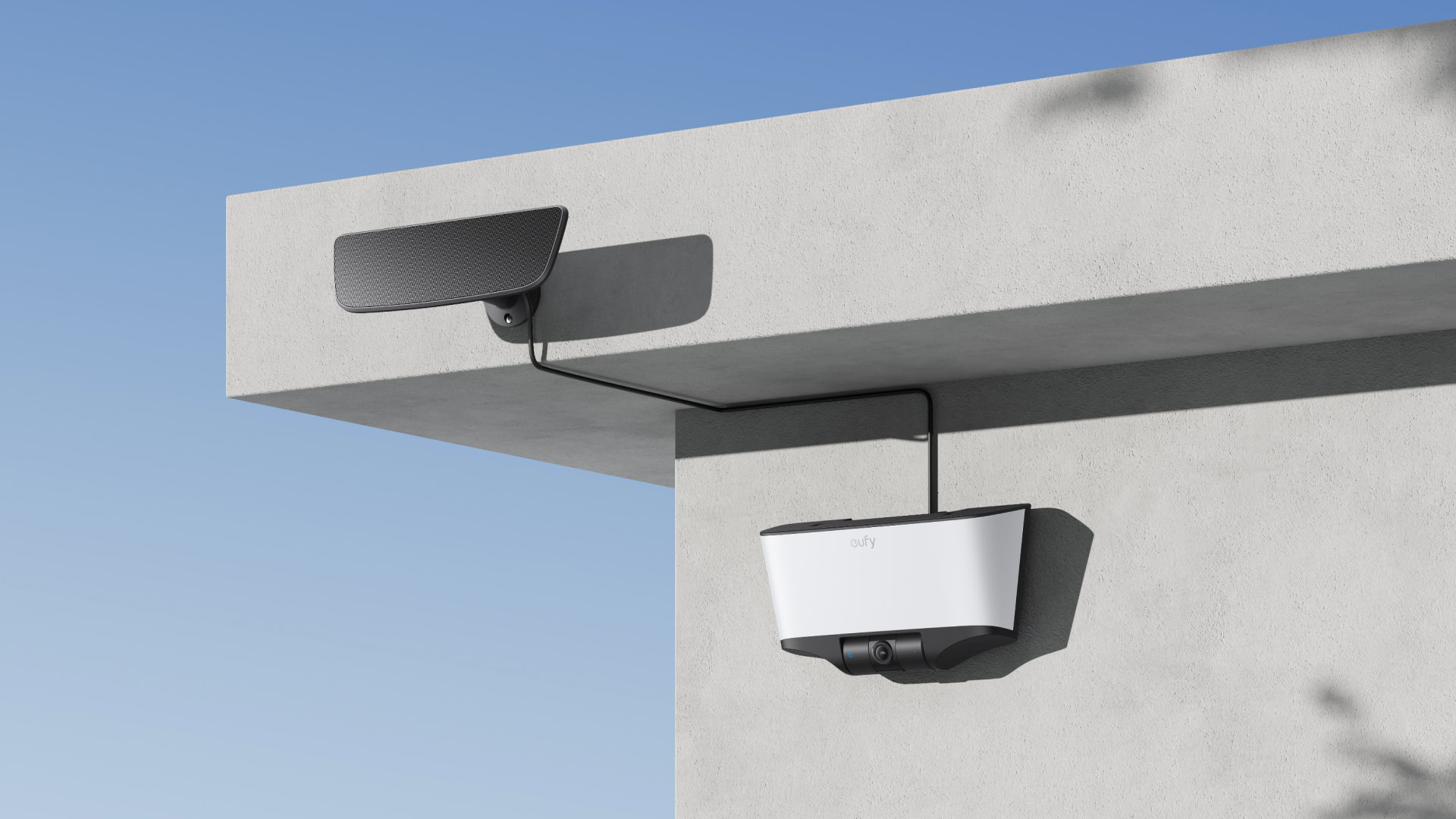
As we look towards 2026, the future of smart home technology promises remarkable innovations driven by AI, machine learning, and sustainable energy integration. One of the standout trends is the increasing reliance on AI to facilitate smarter, more predictive automation. Instead of reactive devices that respond solely to commands, future smart homes will anticipate needs—such as adjusting lighting based on natural sunlight patterns or optimizing energy consumption based on occupancy patterns, all with minimal user input.
Another revolutionary trend involves energy management. With green technology becoming more prominent, smart homes will integrate renewable energy sources, such as solar panels, and optimize energy storage. This not only reduces costs but also contributes toward a more sustainable future. Devices will become more efficient, interoperable, and eco-conscious, aligning with environmental priorities. The development of decentralized data security measures and decentralized networks (blockchain-based solutions) could further enhance user privacy and control over data, addressing a growing concern in digital living.
Moreover, smart homes will increasingly intertwine with health and wellness innovations—monitoring indoor air quality, detecting pollutants, or even integrating with wearable health devices. In 2026, the smart home buying guide for beginners 2026 advocates for embracing these emerging technologies thoughtfully, ensuring compatibility, security, and user privacy are maintained amidst rapid innovation. The seamless integration of these advances will redefine what it means to live comfortably, efficiently, and sustainably in the future.




FAQs
What are the essential smart home devices for beginners in 2026?
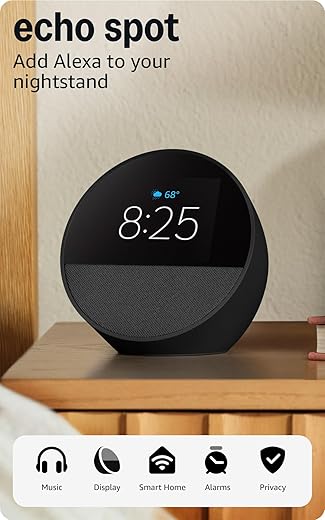
For beginners, essential devices include smart bulbs, thermostats, security cameras, door/window sensors, and a smart speaker or voice assistant. These foundational devices help you understand automation principles and build upon them gradually.
How do I ensure my smart home devices are secure?
Prioritize devices with strong encryption, regularly update firmware, and use a separate Wi-Fi network for your smart devices. Enabling two-factor authentication (2FA) and changing default passwords also help prevent security breaches.
Is it better to choose a specific ecosystem or platform?
Yes, selecting one ecosystem—such as Apple HomeKit, Google Home, or Amazon Alexa—simplifies device management, improves compatibility, and provides a more seamless user experience. Aligning your devices with your preferred smart home platform is advisable.
Can I expand my smart home easily over time?
Absolutely. The key is starting with compatible, scalable devices that support interoperability. As your needs evolve, you can add more devices, gradually expanding your smart home ecosystem without major disruptions.
What are the costs involved in setting up a smart home in 2026?
Initial costs vary depending on device quality and scope—ranging from a few hundred to several thousand dollars. However, energy savings, security improvements, and convenience typically offset these costs over time. Budget planning should include device prices, potential installation fees, and ongoing maintenance.
Conclusion
The smart home buying guide for beginners 2026 underscores the importance of understanding core technologies, compatibility, security, and future trends when entering the realm of home automation. Starting with fundamental devices like smart lighting and thermostats allows homeowners to familiarize themselves with automation principles without feeling overwhelmed. As technology evolves, the integration of AI, renewable energy solutions, and health monitoring systems will become commonplace, offering unprecedented levels of convenience, sustainability, and personalization. Making informed choices that prioritize security, interoperability, and scalability ensures your smart home remains future-proof, adaptable, and aligned with your lifestyle. Beginning this journey with knowledge and confidence will allow you to enjoy the full benefits of a smart, connected, and sustainable home in 2026 and beyond.