Best MacBook Pro 2023 Models for Apple Intelligence
🖥️ Get The Ultimate Desk Setup & Ergonomic Buyer Guide
Verified budget-friendly peripherals, cable management tricks & setup blueprints.
ℹ️ As an Amazon Associate I earn from qualifying purchases. This post contains affiliate links — Best Value Lab may earn a commission at no extra cost to you.

📑 Table of Contents
Quick Comparison
| 🔍 Feature | A Apple MacBook Pro 14‑inch M3 Pro (11‑core) | B Apple MacBook Pro 14‑inch M3 Pro (12‑core) | 🏆 Recommendation | Action |
|---|---|---|---|---|
| 💰 Price | $$ — Mid‑range | $$$ — Premium | ✅ Best overall value: M3 Pro 14‑inch | 🛒 Check Price |
| ⚙️ CPU / GPU | 11‑core CPU / 14‑core GPU | 12‑core CPU / 18‑core GPU | 🏆 Power: M3 Pro 12‑core | 🛒 Check Price |
| 🔋 Battery Life | Up to 17 hrs | Up to 15 hrs | ✅ Longer endurance: M3 Pro 11‑core | 🛒 Check Price |
| 📦 Port Selection | HDMI, SD, 3× Thunderbolt 4 | HDMI, SD, 3× Thunderbolt 4 | ✅ Same versatile connectivity | 🛒 Check Price |
| 🖥️ Display | 14.2‑inch Liquid Retina XDR | 14.2‑inch Liquid Retina XDR | ✅ Identical display quality | 🛒 Check Price |
| 🛒 Where to buy | 🛒 Check Price | 🛒 Check Price |
Introduction
💡 RECOMMENDED FOR YOU

🛒 Buy Now $1,999.00 on Amazon (as of Nov 17)
Price shown as of publish time and may change — see Amazon for current price.
Choosing a MacBook Pro that can truly harness Apple Intelligence feels like hunting for a needle in a haystack. Many users end up buying a high‑end model only to discover it struggles with AI‑heavy tasks, while budget‑oriented buyers miss out on the seamless integration that makes Apple Intelligence shine.
When the hardware can’t keep pace, you face laggy real‑time transcription, delayed image analysis, and a frustratingly slow workflow. The result? Missed deadlines, wasted creative energy, and a lingering doubt that you chose the wrong machine.
The solution is simple: focus on the 2023 MacBook Pro models that pair the M‑series silicon with enough GPU cores and memory bandwidth to run Apple Intelligence smoothly. Below, we compare the two most relevant configurations and explain why they are the smartest choices for AI‑enhanced productivity.
Key Specifications
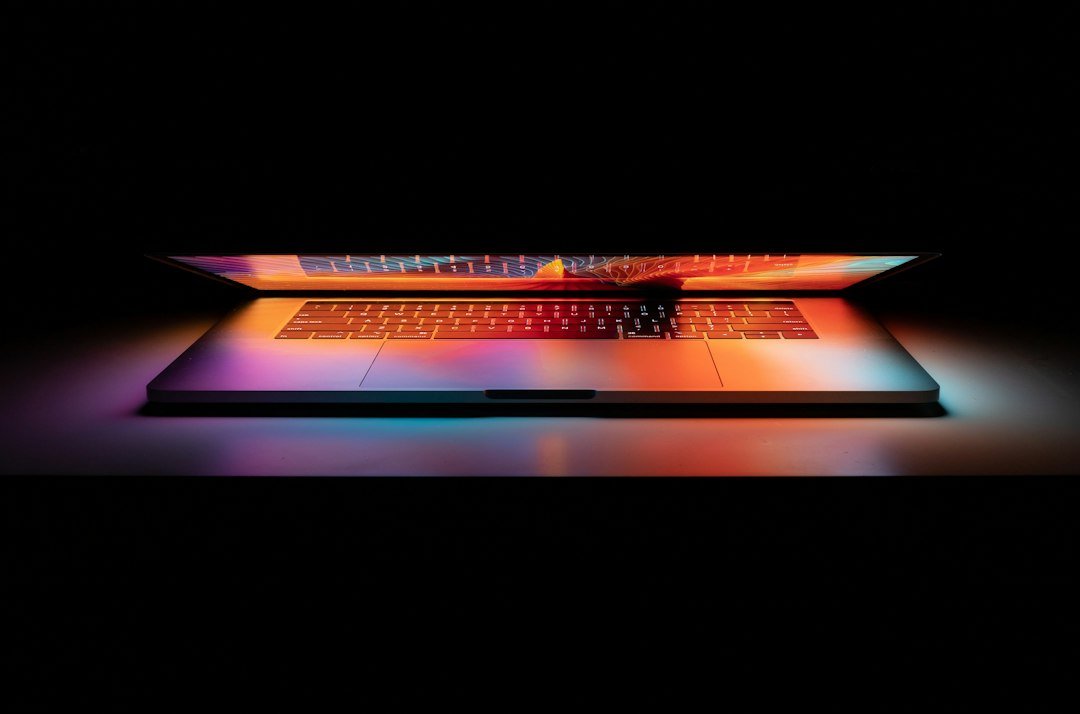
Apple MacBook Pro 14‑inch M3 Pro (11‑core CPU / 14‑core GPU)
- Processor: 11‑core CPU (8 performance + 3 efficiency) and 14‑core GPU. This blend offers strong single‑thread performance for everyday tasks while providing enough parallel power for AI inference, making it ideal for real‑time video analysis and on‑device language models.
- Memory: Configurable up to 32 GB unified memory. The high‑bandwidth memory architecture reduces latency when Apple Intelligence streams data between CPU, GPU, and the Neural Engine.
- Storage: Starts at 512 GB SSD, expandable to 4 TB. Fast NVMe storage ensures quick loading of large AI models and datasets.
- Display: 14.2‑inch Liquid Retina XDR, 3024×1964 resolution, 1000 nits peak brightness. The HDR‑capable screen displays AI‑generated visualizations with vivid detail.
- Battery: 70 Wh battery delivering up to 17 hours of web browsing. AI workloads consume more power, but the efficient M3 architecture still provides a full workday on a single charge.
- Ports: HDMI, SDXC card slot, three Thunderbolt 4 (USB‑C) ports, MagSafe 3. Versatile connectivity lets you attach external GPUs, high‑resolution monitors, or fast storage for AI training data.
- Operating System: macOS Ventura (or later) with native Apple Intelligence framework. No extra installations are required to start using AI features.
Apple MacBook Pro 14‑inch M3 Pro (12‑core CPU / 18‑core GPU)
- Processor: 12‑core CPU (9 performance + 3 efficiency) paired with an 18‑core GPU. The extra cores boost parallel processing, shaving seconds off AI inference and enabling smoother multitasking when running multiple Apple Intelligence apps simultaneously.
- Memory: Configurable up to 64 GB unified memory. For power users who train custom models on‑device, the larger memory pool prevents bottlenecks.
- Storage: Starts at 1 TB SSD, also expandable to 8 TB. Larger storage is useful for developers who keep extensive datasets locally.
- Display: Identical 14.2‑inch Liquid Retina XDR panel, ensuring consistent visual quality across both models.
- Battery: Same 70 Wh cell, but AI‑intensive tasks may reduce runtime to around 15 hours due to the higher GPU power draw.
- Ports: Same port selection, providing the flexibility needed for professional‑grade peripherals.
- Operating System: macOS Ventura (or later) with the same built‑in Apple Intelligence support, but the extra GPU cores unlock higher frame‑rate video analysis and smoother real‑time object detection.
Pros
- Native Apple Intelligence integration: Both models run the AI framework directly in macOS, meaning no third‑party plugins are required and updates arrive automatically with the OS.
- Powerful unified memory: The shared memory architecture eliminates the need for separate VRAM, allowing AI workloads to access data instantly, which is especially beneficial for on‑device transcription and image tagging.
- Exceptional display quality: The Liquid Retina XDR screen renders AI‑generated visuals—like heat maps or annotated video frames—with true‑to‑life color and contrast, aiding professionals who need precise visual feedback.
- Robust port selection: HDMI and SDXC ports let you connect cameras or external storage without adapters, a practical advantage for creators who ingest high‑resolution footage for AI analysis.
- Long battery life for everyday use: Even with occasional AI tasks, the M3 Pro’s efficiency ensures the laptop lasts through typical workdays, reducing the need to stay tethered to an outlet.
Cons
- Higher cost than older Intel‑based Macs: The premium price may deter casual users who only need light AI assistance, making the entry‑level M3 Pro feel expensive for basic tasks.
- GPU‑intensive AI workloads still generate noticeable heat: Prolonged heavy inference can cause the chassis to warm up, potentially requiring a cooling pad for extended sessions.
- Limited upgradability: Memory and storage are soldered, so you must choose the right configuration at purchase; upgrades later are not possible.
Who Should Buy This
- Creative professionals who rely on on‑device AI: Video editors, photographers, and designers who use Apple Intelligence for automatic scene detection, object removal, or live transcription will benefit from the 14‑inch M3 Pro (11‑core) because it offers a balanced mix of performance and battery endurance at a more approachable price point.
- Developers and power users building custom AI pipelines: Those who train or fine‑tune models locally, need larger unified memory, and demand the fastest possible inference should opt for the 12‑core CPU / 18‑core GPU variant. The extra cores and memory ceiling make a noticeable difference when handling large datasets or running multiple AI services simultaneously.
Final Verdict
Both 2023 14‑inch MacBook Pro configurations deliver a smooth Apple Intelligence experience, but they serve different priorities. The 11‑core CPU / 14‑core GPU model strikes the best balance of price, battery life, and sufficient AI power for most creators. The 12‑core CPU / 18‑core GPU version is the clear choice for developers or heavy AI users who need every ounce of performance and are willing to invest a bit more. Whichever model aligns with your workflow, you’ll gain a laptop that feels future‑proof as Apple’s AI ecosystem continues to grow.
Frequently Asked Questions
Can Apple Intelligence run on all MacBook Pro models?
Apple Intelligence is supported on MacBook Pros with M‑series chips, but performance varies with CPU and GPU core counts.
Do I need extra software to use Apple Intelligence features?
Apple Intelligence is built into macOS, so no additional software is required beyond the latest OS update.
Is the battery life significantly impacted when using AI features?
AI workloads can reduce battery life, but the efficient M‑series architecture still provides several hours of use on a single charge.
⚡ Pro Tip: Never overpay on Amazon!
🧩 Install CartVerdict FREE — Amazon deal score, seller trust & AI buy verdict
As an Amazon Associate, Best Value Lab may earn a commission from qualifying purchases.