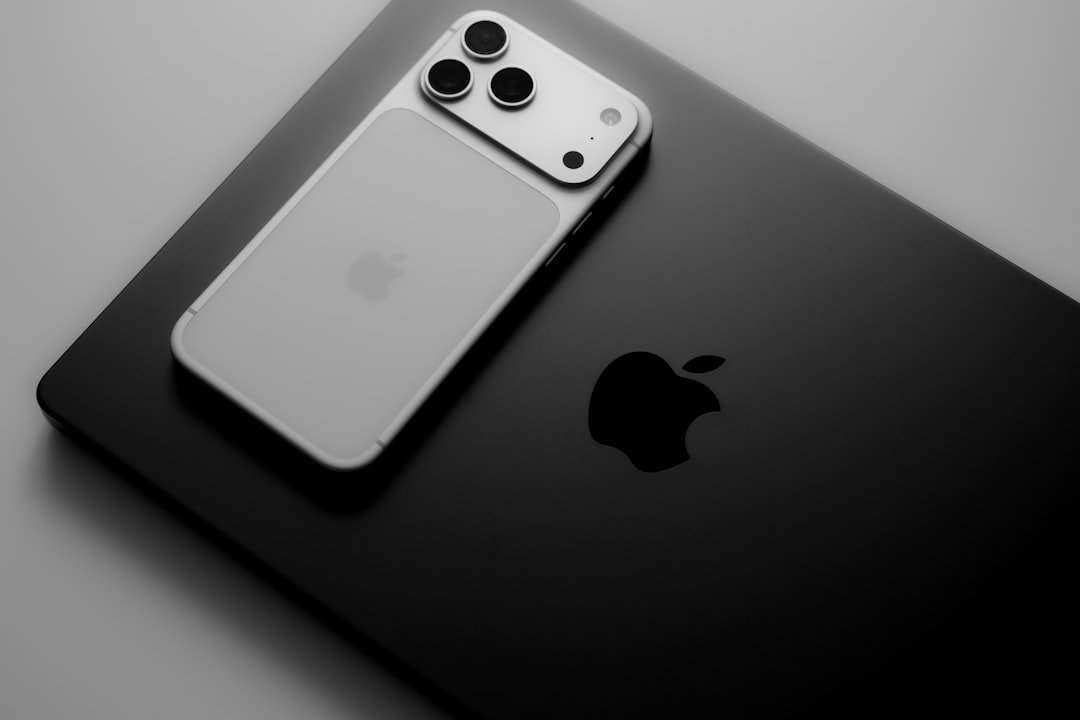
Apple’s Folding iPhone: Is a Leasing Program the Key to Affordability?
🖥️ Get The Ultimate Desk Setup & Ergonomic Buyer Guide
Verified budget-friendly peripherals, cable management tricks & setup blueprints.
ℹ️ This post may contain Amazon Associates affiliate links — Best Value Lab may earn a commission from qualifying purchases, at no extra cost to you.

📑 Table of Contents
Quick Comparison
| 🔍 Feature | A Current Foldables (Outright Purchase) | B Future Apple Foldable (Leasing Model) | 🏆 Recommendation | Action |
|---|---|---|---|---|
| 💰 Price Point | Extremely High Outright | Potentially Lower Monthly | ✅ Leasing for affordability | 🛒 Check Price |
| 📱 Form Factor | Standard Smartphone | Foldable Screen | 🏆 Foldable for versatility | 🛒 Check Price |
| 💡 Innovation | Incremental Updates | New Interaction Methods | ✅ Foldable offers novelty | 🛒 Check Price |
| 🛠️ Durability Concerns | Proven | Emerging Technology | ✅ Standard phone currently safer | 🛒 Check Price |
The Sticker Shock of Folding Phones

The dream of a foldable smartphone, offering both pocketable portability and tablet-like screen real estate, is undeniably appealing. However, for most consumers, the reality of owning one is hampered by a single, significant barrier: price. Current foldable devices, while technologically impressive, carry price tags that place them firmly in the luxury gadget category, making them a difficult purchase decision for anyone not looking to spend upwards of $1,500 or more on their primary mobile device.
This exorbitant cost isn’t just a minor inconvenience; it actively deters potential buyers and limits the technology’s mainstream adoption. The fear of making such a substantial investment in a relatively new and potentially less durable form factor is a major hurdle. Consumers are left wondering if the unique benefits of a folding screen are truly worth the financial sacrifice when a high-end, non-folding smartphone offers a reliable experience for a fraction of the price.
This is where Apple’s potential strategy comes into play. By considering a leasing program, Apple could bypass the upfront affordability issue, making its first foldable iPhone accessible to a much wider audience.
Why a Leasing Model Could Work for Apple’s Foldable
Apple has historically excelled at creating ecosystems and pricing strategies that encourage consistent upgrades and customer loyalty. A leasing program for a foldable iPhone would align perfectly with this philosophy. Instead of demanding a full purchase price that might make consumers hesitant, a monthly payment model could significantly lower the barrier to entry.
This strategy would allow Apple to introduce its foldable technology without the immediate pressure of mass-market outright sales. Early adopters and those eager for the latest innovation could embrace the device through manageable monthly installments, providing Apple with crucial user feedback and real-world durability data. The comparison to the initial iPhone launch is apt; while revolutionary, the first iPhone was also expensive and not immediately perfect, but its core concept was so compelling that it eventually reshaped the industry.
Key Specifications
- Display: Likely a large, foldable OLED panel with a smaller cover screen.
- Form Factor: Hinged design, potentially in a book-style or clamshell configuration.
- Software: Optimized iOS for multitasking and dual-screen usage.
- Durability: Hinges and screen materials will be critical focus areas.
- Connectivity: 5G, Wi-Fi 6E/7, Bluetooth.
Pros
- Enhanced multitasking capabilities with a larger screen.
- Innovative and unique user experience.
- Potential for new app functionalities.
- Increased screen real estate for media consumption.
- A leasing option could make it more affordable.
Cons
- High initial manufacturing costs.
- Potential durability concerns with the folding screen and hinge.
- May require significant software adaptation for optimal use.
Who Should Buy This
A foldable iPhone, especially with a leasing option, would be ideal for early adopters who crave the latest technology and appreciate the productivity benefits of a larger, flexible screen. Tech enthusiasts and professionals who frequently multitask on their mobile devices, or those who consume a lot of media on the go, would find significant value in its unique form factor.
Final Verdict
While the concept of a folding iPhone presents exciting possibilities, its success hinges on more than just innovative engineering; affordability is paramount. If Apple indeed launches with a leasing program, it could deftly sidestep the prohibitive cost that has held back other foldables, making this new form factor a genuinely worthwhile consideration for a broader audience. If a versatile, large-screen smartphone experience appeals to you, keeping an eye on Apple’s leasing options could be a smart move.
Frequently Asked Questions
What are the main challenges for folding phones?
The primary challenges for folding phones include high manufacturing costs leading to expensive retail prices, durability concerns with the folding screen, and determining the most compelling use cases for the foldable form factor.
How might Apple's leasing program work?
A leasing program would likely allow users to pay a monthly fee for a folding iPhone, similar to how many lease cars. This could make the high-end device more accessible by spreading the cost over time, potentially with upgrade options.
What are the benefits of a foldable iPhone?
A foldable iPhone could offer the portability of a standard smartphone combined with the screen real estate of a small tablet, enabling enhanced multitasking, media consumption, and productivity on the go.
When might Apple release a folding iPhone?
While Apple has not officially announced a folding iPhone, industry rumors and patent filings suggest it is a possibility, though a release date remains speculative.
⚡ Pro Tip:
🧩 Install CartVerdict FREE — Amazon deal score, seller trust & AI buy verdict
As an Amazon Associate, Best Value Lab may earn a commission from qualifying purchases.