Best Compact Cameras for Beginners: The 2026 Pocket Guide
ℹ️ This post may contain Amazon Associates affiliate links — Best Value Lab may earn a commission from qualifying purchases, at no extra cost to you.

It is incredibly frustrating to spend hundreds of dollars upgrading your smartphone only to find your travel and family photos still look flat, washed out, or blurry in low light. You want better image quality, but carrying a massive DSLR or mirrorless camera with multiple heavy lenses is a surefire way to leave your gear at home and miss the moment entirely.
If you buy the wrong camera, you end up with an expensive paperweight. Cheap, outdated point-and-shoots offer image quality that is actually worse than modern phones, while overly complex professional cameras will overwhelm you with menus, leading to creative burnout and wasted money. You need something that balances pocketable convenience with a genuine leap in image performance.
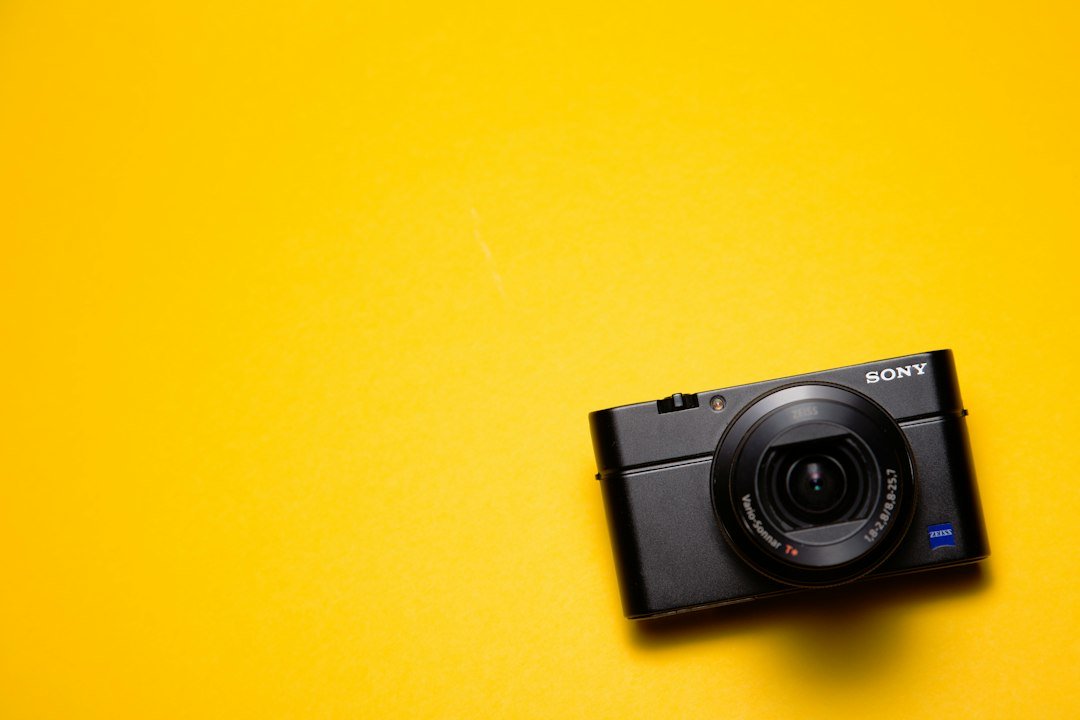
Fortunately, the latest generation of compact cameras solves this dilemma perfectly. By combining larger sensors and high-quality optical zoom lenses into bodies that actually fit in your pocket, these devices make photography fun and accessible again. Let’s look at the key specifications and features of the top compact cameras for beginners to help you make the right choice.
📑 Table of Contents
Quick Comparison
| 🔍 Feature | A Premium 1-Inch | B Vlogging Creator | C Budget Travel | 🏆 Recommendation | Action |
|---|---|---|---|---|---|
| 📸 Sensor Size | Large 1-inch sensor | Large 1-inch sensor | 1/2.3-inch sensor | 🏆 Winner: Premium & Vlogging | 🛒 Check Price |
| 🔍 Optical Zoom | Excellent 8x zoom | Wide-angle 3x zoom | Moderate 4x zoom | 🏆 Winner: Premium 1-Inch | 🛒 Check Price |
| 🔋 Battery Life | Around 260 shots | Around 240 shots | Around 300 shots | ✅ Best choice: Budget Travel | 🛒 Check Price |
| 🎥 Video Quality | 4K detailed video | 4K optimized for voice | Basic 1080p or 4K | 🏆 Winner: Vlogging Creator | 🛒 Check Price |
Key Specifications
💡 RECOMMENDED FOR YOU
🛒 Buy Now $89.97 on Amazon (as of Sep 22)
Price shown as of publish time and may change — see Amazon for current price.
To find the best pocket companion, it is essential to look at the hardware driving these compact powerhouses. While smartphones rely heavily on software tricks to blur backgrounds, compact cameras use physical glass and larger sensors to capture natural depth and light.
- Sensor Size: Typically a 1-inch CMOS sensor, which is roughly four times larger than those found in standard smartphones.
- Lens Aperture: Fast, bright apertures ranging from f/1.8 to f/2.8 that allow exceptional light gathering and natural background bokeh.
- Optical Zoom: Ranging from 3x to 8x optical zoom, allowing you to get closer to the action without losing image resolution.
- Video Capabilities: 4K recording at 30 frames per second, with dedicated electronic or optical image stabilization.
- Weight and Dimensions: Under 350 grams, easily slipping into a jacket pocket or small everyday carry bag.
Pros
Transitioning from a smartphone or a bulky DSLR to a dedicated compact camera offers several distinct advantages for beginners looking to improve their craft.
- True Optical Zoom: Unlike smartphones that crop images digitally, compact cameras use physical lens elements to zoom, preserving sharpness.
- Physical Dials and Controls: Tactile buttons allow you to learn manual settings like shutter speed and aperture naturally, rather than tapping a screen.
- Superior Low-Light Handling: Larger sensors collect significantly more physical light, reducing noise and grain in evening or indoor shots.
- Dedicated Ergonomics: Designed specifically for shooting, featuring textured grips and wrist strap attachments to prevent accidental drops.
Cons
While pocket cameras are highly convenient, there are a few practical trade-offs you should consider before making your purchase.
- Limited Battery Life: Because of their small size, compact camera batteries usually last for only 200 to 300 shots per charge.
- Fixed Lens Systems: You cannot swap lenses like you can on a mirrorless camera, meaning you are locked into the built-in focal range.
- High Entry Cost: Premium 1-inch pocket cameras represent a significant upfront investment compared to entry-level plastic point-and-shoots.
Who Should Buy This
A compact camera is an ideal choice for travel enthusiasts who want to document their journeys with professional-grade clarity without the physical strain of carrying a heavy backpack of gear. It is also a perfect fit for casual family historians and daily creators who want better image quality than a phone can provide, but still require a camera that is fast and simple enough to capture spontaneous moments.
Additionally, aspiring content creators and vloggers will benefit immensely from these devices. Pocket cameras with flip-out screens and high-quality built-in microphones offer a massive upgrade over phone front-facing cameras, making them excellent tools for high-quality video production on the move.
Final Verdict
The best compact cameras bridge the gap between heavy, complex professional systems and the physical limitations of your smartphone. By offering a larger sensor, real optical zoom, and intuitive manual controls, they make capturing high-quality memories easy and enjoyable. If you want to elevate your photography without the bulk of a heavy gear bag, investing in a high-quality compact camera is a game-changer. Take a look at these pocket-sized powerhouses to find the one that fits your shooting style.
Frequently Asked Questions
Why should I buy a compact camera instead of using my smartphone?
Compact cameras offer physical optical zoom, larger image sensors that capture more light, and dedicated tactile dials, which combine to produce cleaner low-light photos and a more tactile, engaging shooting experience.
What sensor size should a beginner look for in a compact camera?
Look for a 1-inch sensor if your budget allows. It strikes the perfect balance between pocketable camera size and high image quality, far outperforming standard smartphone sensors.
How long does the battery typically last on these pocket cameras?
Most compact cameras provide about 200 to 300 shots per charge. Since battery life is shorter than on larger cameras, carrying a spare battery or a portable USB power bank is highly recommended.
⚡ Pro Tip: Never overpay on Amazon!
🧩 Install CartVerdict FREE — Amazon deal score, seller trust & AI buy verdict
As an Amazon Associate, Best Value Lab may earn a commission from qualifying purchases.