
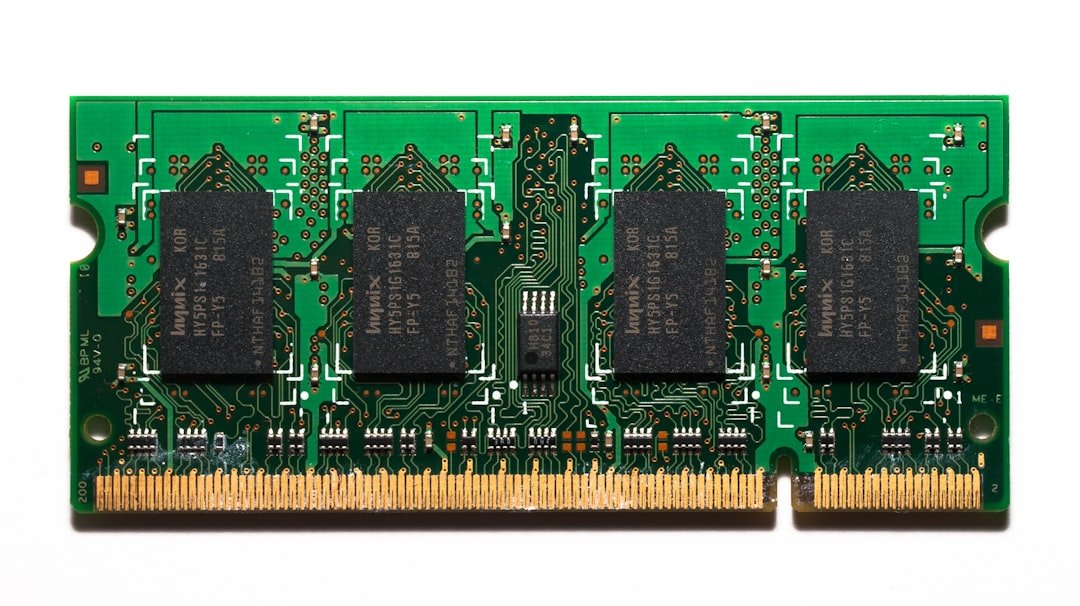
Does Linux Use Less RAM? Windows vs Linux Memory Comparison
ℹ️ This post may contain Amazon Associates affiliate links — Best Value Lab may earn a commission from qualifying purchases, at no extra cost to you.

Modern software and operating systems have become incredibly bloated, leaving everyday users with constant stuttering, sluggish multitasking, and out-of-memory errors. Trying to run a browser with several active tabs alongside background chat applications like Discord or game launchers can easily max out an older 8GB or even 16GB system, forcing you to constantly manage your open windows.
If you do nothing, you face the daily frustration of a grindingly slow machine or the immediate financial sting of purchasing expensive DDR4 or DDR5 memory kits. For many modern laptop owners, RAM is soldered directly to the motherboard, meaning a memory shortage forces you to scrap a perfectly functional computer entirely—resulting in hundreds of dollars in wasted hardware.
Fortunately, you might not need to buy new hardware at all. Switching your operating system from Windows to a lightweight Linux distribution can instantly reclaim gigabytes of system memory, breathing new life into older rigs and maximizing performance in demanding workloads. Let us break down how Linux and Windows actually compare when it comes to memory efficiency.
📑 Table of Contents
Quick Comparison
| 🔍 Feature | A Windows 11 | B Ubuntu Linux | C Lubuntu Linux | 🏆 Recommendation | Action |
|---|---|---|---|---|---|
| ⚙️ Idle RAM Usage | High (2.5GB – 3.5GB) | Moderate (1.0GB – 1.5GB) | Very Low (400MB – 600MB) | 🏆 Winner: Lubuntu for older devices | 🛒 Check Price |
| 🎮 Gaming Support | Excellent (Native) | Great (via Proton) | Good (via Proton) | ✅ Best for gaming: Windows 11 | 🛒 Check Price |
| 💻 System Efficiency | Low (Heavy background tasks) | High (Clean background) | Maximum (Minimalist) | 🏆 Winner: Lubuntu Linux | 🛒 Check Price |
| 🛠️ Ease of Use | Very Easy (Standard) | Easy (User-friendly GUI) | Moderate (Simple GUI) | ✅ Easiest: Windows 11 | 🛒 Check Price |
Key Specifications
💡 RECOMMENDED FOR YOU
🛒 Buy Now $14.82 on Amazon (as of Aug 4)
Price shown as of publish time and may change — see Amazon for current price.
When comparing operating systems, specifications are defined by their system resource footprint and architectural efficiency. Below is an overview of how these platforms manage memory out of the box.
- Idle RAM Consumption: Windows 11 typically sits at 2.5 GB to 3.5 GB, Ubuntu sits at 1.0 GB to 1.5 GB, and Lubuntu sits at 400 MB to 600 MB.
- Active Background Processes: Windows 11 averages over 150 background processes, whereas standard Linux distributions run between 40 and 80 services.
- Minimum System Requirements: Windows 11 officially requires 4GB RAM, while mainstream Linux requires 2GB, and lightweight variants run smoothly on 1GB.
- Memory Management Strategy: Windows utilizes aggressive caching and pre-loading (SuperFetch/SysMain), while Linux uses dynamic caching that frees memory instantly when requested by heavy applications.
Idle RAM Allocation Under the Hood
To understand why Linux uses less RAM, we have to look at how it initializes. Modern Windows 11 systems preload search indexes, widgets, updates, and telemetry services immediately upon boot. Linux, particularly minimalist distributions, loads only the essential hardware drivers and the chosen desktop environment, leaving the remaining memory entirely free for user applications like web browsers or games.
Pros
- Dramatically Lower Idle Usage: Reclaims up to 2 gigabytes of RAM instantly on startup, giving older hardware a massive performance buffer.
- Minimalist Background Footprint: Avoids forced background updates, telemetry tracking, and built-in advertising services that consume CPU and memory.
- Highly Modular Architecture: Users can swap out heavy desktop environments for ultra-lightweight ones to customize resource consumption.
- Efficient Swap Management: Linux handles virtual memory (swap space) exceptionally well, keeping the system responsive even when physical RAM is fully saturated.
Cons
- Software Compatibility Gaps: Certain proprietary creative suites and competitive multiplayer games with kernel-level anti-cheat software will not run natively on Linux.
- Learning Curve: Transitioning away from Windows requires learning new software alternatives and occasionally using terminal commands for configuration.
Who Should Buy This
A transition to Linux is highly recommended for owners of budget or older laptops that feature soldered, non-upgradeable memory. If your computer is restricted to 4GB or 8GB of RAM, migrating to a distribution like Ubuntu or Lubuntu can make an unusable computer feel lightning-fast again for daily tasks like document editing and video streaming.
Developers, students, and tech enthusiasts who run multiple development environments, virtual containers, or browser-heavy workflows will also benefit significantly. By cutting down OS bloat, your machine can allocate maximum physical memory to compilation tools, local servers, and demanding productivity suites.
Final Verdict
If you are struggling with high memory usage and want to extend the lifespan of your current PC without spending a dime, making the switch to Linux is one of the smartest software upgrades available. While it requires adjusting to a new interface and finding alternative applications, the immediate boost in available system memory is undeniable. If reliable multitasking on a budget matters to you, Linux is well worth a closer look.
Frequently Asked Questions
Why does Windows use so much more RAM than Linux at idle?
Windows preloads numerous background services, telemetry engines, and widgets on startup. Linux distributions are modular and only load essential drivers and the interface, resulting in a much lighter footprint.
Can gaming on Linux actually save RAM compared to Windows?
Yes. Because the operating system itself uses less memory, compatible games run via compatibility layers like Proton often have access to more available physical RAM, reducing stuttering.
Is it hard to switch from Windows to Linux for RAM savings?
Modern Linux distributions like Ubuntu have simple graphical installers and user-friendly interfaces. However, some proprietary applications and games with specific anti-cheat software may require workarounds.
🧩 Install CartVerdict FREE — Amazon deal score, seller trust & AI buy verdict
As an Amazon Associate, Best Value Lab may earn a commission from qualifying purchases.