DIY Home Server vs Pre-built NAS: Best Storage in 2026
🖥️ Get The Ultimate Desk Setup & Ergonomic Buyer Guide
Verified budget-friendly peripherals, cable management tricks & setup blueprints.
ℹ️ This post may contain Amazon Associates affiliate links — Best Value Lab may earn a commission from qualifying purchases, at no extra cost to you.
Managing and storing large amounts of personal data, media, and backups has become a major headache. Relying on basic cloud storage gets expensive quickly, while cheap external drives are prone to failure and offer no redundancy.
If you make the wrong choice, you risk losing years of irreplaceable family photos, critical work documents, or your carefully curated media library. Worse, buying a system that is too complex leaves you frustratingly locked out of your own files, while an underpowered option will crawl to a halt when multiple users try to access it.

Fortunately, you do not need to rent out an entire datacenter to get high-performance, secure storage. By comparing a custom DIY home server, a user-friendly pre-built NAS, and a dedicated bare-metal cloud rental, you can find the perfect balance of cost, control, and reliability to protect your digital life.
📑 Table of Contents
Quick Comparison
| 🔍 Feature | A DIY Home Server | B Pre-built NAS | C Dedicated Cloud | 🏆 Recommendation | Action |
|---|---|---|---|---|---|
| ⚙️ Customization | Limitless (Use any parts) | Restricted (Proprietary) | Moderate (Selected options) | 🏆 Winner: DIY Home Server | 🛒 Check Price |
| 🔌 Power Efficiency | Low (Varies by hardware) | High (Low-power chips) | High (Datacenter managed) | 🏆 Winner: Pre-built NAS | 🛒 Check Price |
| 🛠️ Setup Ease | Difficult (Manual OS install) | Easy (Plug-and-play) | Medium (Console setup) | 🏆 Winner: Pre-built NAS | 🛒 Check Price |
| 💰 Upfront Cost | Low to Medium | High | Zero ($15-$50/month) | ✅ Best budget: DIY Home Server | 🛒 Check Price |
Key Specifications
💡 RECOMMENDED FOR YOU
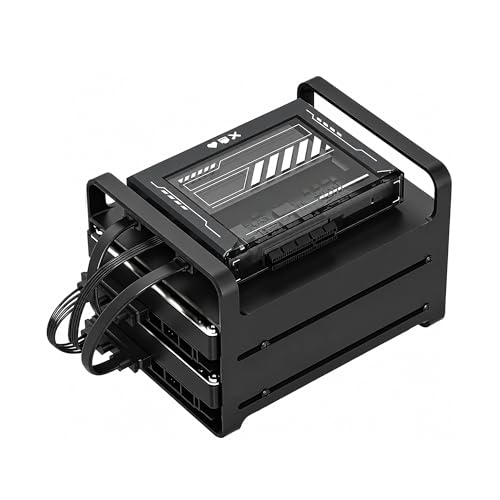
🛒 Buy Now $219.90 (12% Off) on Amazon (as of Aug 17)
Price shown as of publish time and may change — see Amazon for current price.
- DIY Home Server: Built using standard consumer PC parts, highly customizable CPU/RAM, and expandable storage capacity.
- Pre-built NAS: Integrated low-power processor, dedicated drive bays (2 to 8+), and proprietary operating systems (like Synology DSM).
- Dedicated Cloud Server: Enterprise-grade bare-metal hardware hosted in a professional datacenter with high-speed uplink.
Pros
- DIY Server: Lowest cost per terabyte using spare parts, limitless hardware upgrade paths, and support for advanced virtualization.
- Pre-built NAS: Extremely easy setup, quiet and energy-efficient operation, and reliable companion mobile applications.
- Dedicated Cloud Server: Zero upfront hardware costs, professional maintenance, and lightning-fast remote access speeds.
Cons
- DIY Server: Requires significant technical knowledge to configure and maintain safely.
- Pre-built NAS: Expensive initial purchase price with limited CPU and RAM upgrade options.
- Dedicated Cloud Server: Ongoing monthly subscription fees and complete dependency on an active internet connection.
Who Should Buy This
The DIY Home Server is ideal for tech enthusiasts, hobbyists, and power users who want absolute control over their operating system and hardware configuration. It is perfect for those who enjoy troubleshooting and customizing their tech setup.
The Pre-built NAS is the best fit for small business owners, busy families, or creative professionals who need reliable, secure backups without spending hours configuring software. It offers peace of mind right out of the box.
The Dedicated Cloud Server is best for remote teams, developers, or individuals who want enterprise-grade reliability and fast off-site backups without having physical hardware running in their homes.
Final Verdict
Choosing the right data solution ultimately comes down to how much time you want to invest versus how much control you require. If you value hands-on control and maximum storage for your budget, taking the DIY route is a highly rewarding project that is well worth your time.
Frequently Asked Questions
Is a DIY home server cheaper than a pre-built NAS?
Yes, a DIY home server is generally much cheaper per terabyte of storage, especially if you repurpose old consumer PC hardware. However, it requires more time to set up and configure.
Do I need an internet connection to use a home server?
No, a physical home server or pre-built NAS can operate entirely within your local home network without internet access. A dedicated cloud server, however, requires a constant internet connection.
Which option is safest for protecting sensitive personal data?
Both DIY home servers and pre-built NAS devices keep your data physically inside your home, which is excellent for privacy. Pre-built NAS systems often have simpler, more secure out-of-the-box backup tools.
⚡ Pro Tip: Never overpay on Amazon!
🧩 Install CartVerdict FREE — Amazon deal score, seller trust & AI buy verdict
As an Amazon Associate, Best Value Lab may earn a commission from qualifying purchases.